Celebrating Hampshire Historians
The Institute for Historical Research, based in London, is the UK’s national centre for history, dedicated to supporting historians of all kinds. Organisations across the country ran events to celebrate its centenary (1921-2021), “Our Century: thinking back, looking forward.” The Hampshire Field Club and Archaeology Society was amongst those selected to contribute. The HFC contribution will continue as the profiles, available via the links below, will continue.
-

Allen, Lake
His father, Herbert Allen, was a hatter, who married Mary Taswell, the daughter of a surgeon and apothecary of Huguenot extraction. Her father refused to receive her after the marriage, but was, however, willing to see her son, Lake, who benefitted from his grandfather’s library and love of learning. His grandfather was also a role…
-
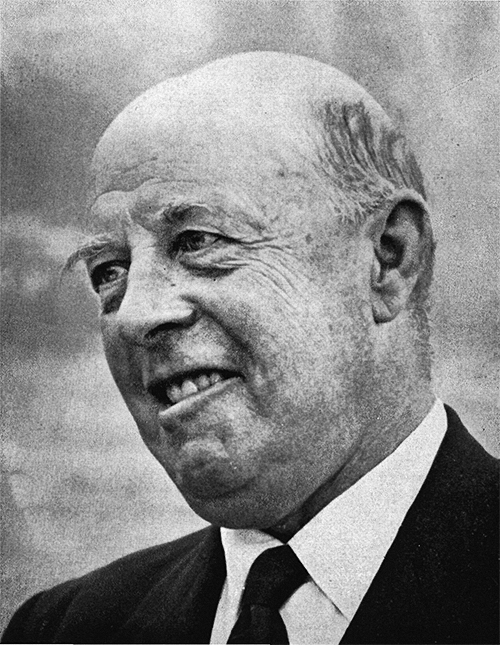
Altham, Harry Surtees C.B.E. D.S.O. M.C. (Wrote as H.S. Altham)
H.S. Altham was a Winchester College housemaster (1913-1946), who had a distinguished WW1 record. After the war, he wrote the first history of cricket, which went to at least four editions with E.W. Swanton a later co-author. In 1945, he became joint editor ofWinchester Cathedral Record, becoming sole editor in 1948 and contributing a wide…
-
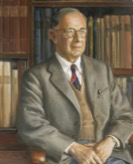
Anderson, Roger Charles
Born in Southampton, Anderson’s father was John Ridgerson Anderson a partner in a ship brokerage firm involved with the Australian trade and sufficiently wealthy to be able to send his son to Winchester College. From there Roger went to Clare College Cambridge. Married in 1916, he and his wife Romola had no children. Described as…
-
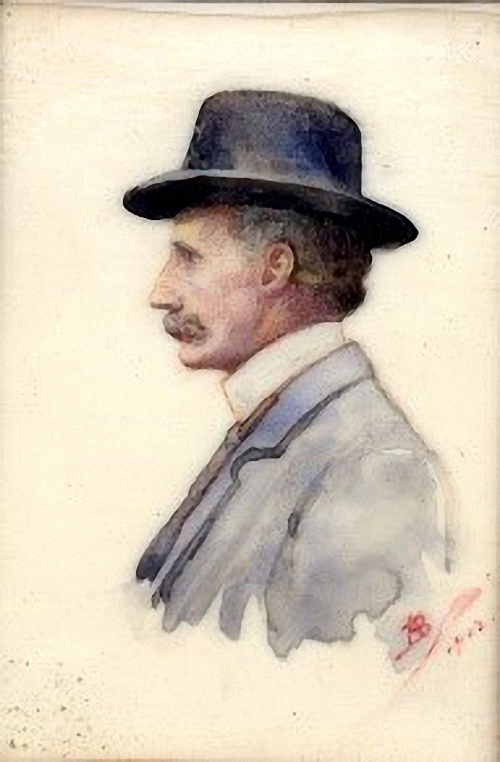
Andrew, Walter Jonathan
Born in Derbyshire, son of a family prominent in civic affairs, Walter Andrew attended Rugby School and qualified as a solicitor in 1882.
-
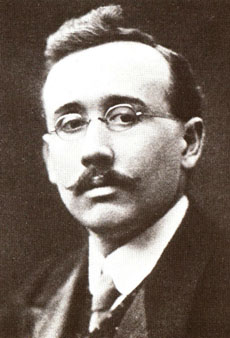
Ashley-Cooper, Frederick Samuel
Ashley-Cooper was born at Bermondsey, in metropolitan Surrey, and lived for most of his life in rural Surrey. When he died his home was at Milford, near Godalming. Throughout his life Cooper’s passion was cricket, in particular the history of the game and the statistics it generated. Ironically, as recorded in his Wikipedia entry, ‘Frail…
-
Atkinson, Thomas Dinham
The son of a clergyman, he was educated at Rossall School, Lancashire, and University College, London, and studied architecture under Sir Arthur Blomfield. He spent much of his early working life as an architect in partnership with C.W. Long in an office in Trumpington Street, Cambridge. He gained a reputation for medieval architecture through his…
-
Atkinson, Tom
In 1960 he became the City Archivist for Winchester after 32 years lecturing at Winchester Training College, later named King Alfred’s College, and then transformed into the University of Winchester, where he is remembered by the Tom Atkinson Building.
-
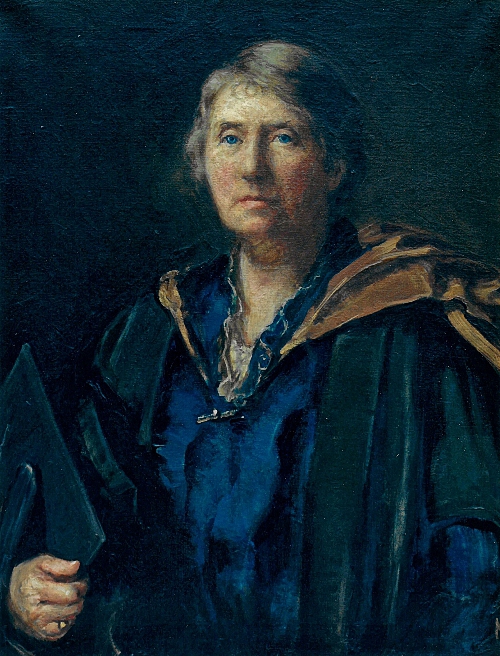
Aubrey, Elinor Rachel
Elinor Aubrey was born in Southampton and until her retirement she spent her whole life in the town. Census records indicate that her father was an ‘elementary school master’ and in the 1901 census return her occupation is shown as that of ‘teacher’ (with the enumerator incorrectly adding the word ‘school’). The 1911 census shows…
-
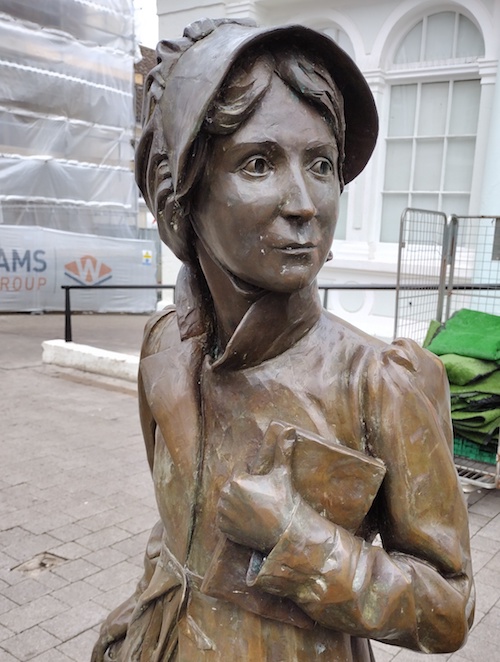
Austen, Jane
This is not the place to repeat the well-documented life of one of England’s most celebrated novelists, but the huge amount of writing about her incidentally provides an intimate picture of her period. Not only does it vividly illuminate life in the north of the county in and around Basingstoke, but also elsewhere, in Bath,…
-
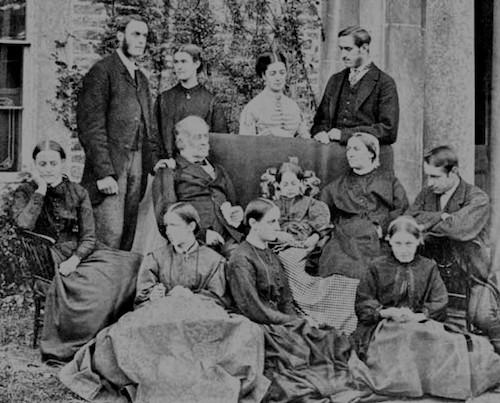
Awdry, Frances
Frances Awdry was the eighth child of Sir John Wither Awdry Kt, who served as Chief Justice in Bombay before returning home to live at Notton House, Lacock, in Wiltshire. Her brother Vere Awdry (1854 –1928) one-time vicar of Ampfield, was the father of Wilbert Vere Awdry (1911-1997) author of the Thomas the Tank Engine…
-
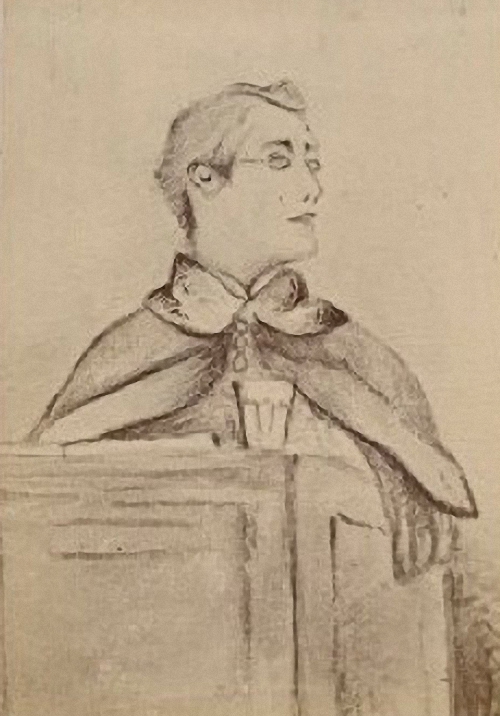
Baigent, Francis Joseph
Today, the name of F.J. Baigent is best known as the co-author with the Rev J.E. Millard (1823-1894) of the monumental History of the Ancient Town and Manor of Basingstoke, published in 1889. Baigent was already a distinguished antiquarian, whilst Millard had only written minor works on the area when, in 1882, he became a…
-
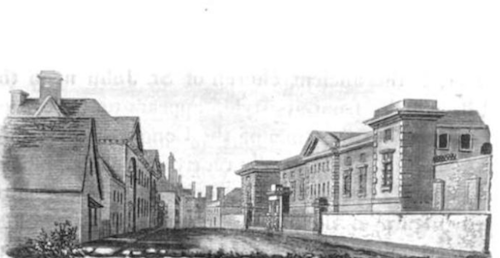
Ball, Charles
Of the huge number of guidebooks for walkers published over the years, An Historical Account of Winchester, with Descriptive Walks published in 1817 by Charles Ball set a standard rarely bettered. His firm objective was to improve on previous attempts to recount the history and antiquities of Winchester, which he regarded as ‘little better than…
-
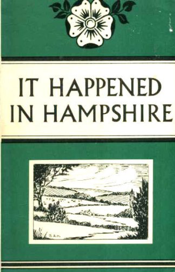
Beddington, Winifred Grace
Winifred was born in south-west Surrey. Her father, David, was described in the 1881 census return as an ‘Australian merchant’. He was a native of Tasmania and by the late 19th century had amassed a sufficient fortune to be ‘living on his own means.’ In 1914 he purchased Longstock House, to the north of Stockbridge,…
-
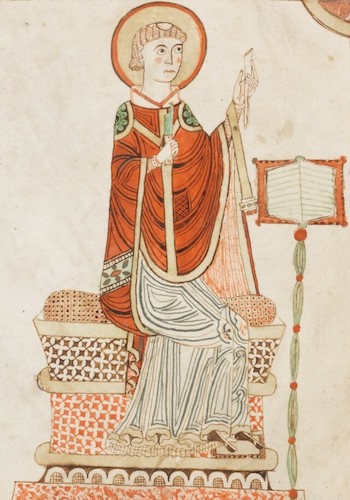
Bede, The Venerable
The Venerable Bede is known as ‘the father of history’ and is included in CHH as he was probably the first person to mention any place in what became Hampshire. In his The Ecclesiastical History of England, written in about 731, he described the foundation of the diocese of the West Saxons, and later the…
-
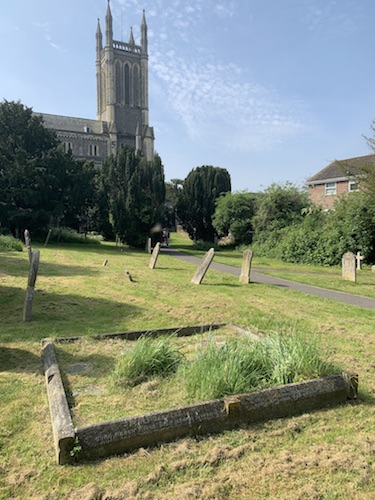
Bennett, Arthur Charles
Arthur Bennett was born in Bridge Street, Andover, son of music teacher and church organist William Bennett (1822–1901) who founded a music school there in his early twenties. Arthur, his brother George and sisters, Agatha and Agnes, were all musically gifted and made their living as teachers and performers at various levels.
-
Berry, William
He was a genealogist who in 1833 published a substantial volume on the pedigrees of prominent families in the county. It was one of a series of volumes on mainly southern counties that he published between 1830 and 1842, when he was forging a career as a genealogical writer, based on his experience as a…
-
Best, Rev Samuel
Samuel Best was Rector of Abbotts Ann, near Andover, from 1831 to 1873, and instrumental in founding a (non-denominational) village school, long before such institutions were required by law. He also created the Abbotts Ann Provident Society, believing that labouring families should not be denied the benefits of Victorian progress.
-
Bigg-Wither, Reginald Fitzhugh
Bigg-Wither came from a family that had been seated at Manydown Park, Wootton St Lawrence, since 1789, when his great-grandfather, Lovelace Bigg, had inherited the estate from William Wither on the condition that he take on the name of the Wither family, which had farmed lands on lease from the dean and chapter of Winchester…
-
Bingham, Joseph
He is being included in the CHH project not because, as far as we know, he made any contribution to the history of the county, but because he was and is an internationally recognized scholar whose work on ecclesiastical history, The Antiquities of the Christian Church, 1706-1722, is probably still unsurpassed. Its importance is emphasized…
-
Bingley, Revd. William
A Yorkshireman and graduate of Cambridge University, William Bingley was ordained in 1799, becoming a curate at Christchurch (Hants.) from 1802 to 1817, before moving on to Fitzroy Chapel in London. He published several books on botany and zoology, which were popular and went through multiple editions.
-
Birch, Walter De Gray
Educated at Charterhouse and Trinity College, Cambridge, he was the son of Dr Samuel Birch, Keeper of the Department of Oriental Antiquities at the British Museum, where he too worked between 1864 and 1907 in the Department of Manuscripts.
-
Blake, Ernest Oscar
Ernest was born in Breslau in eastern Germany. His family, described as ‘professional and academic … with a liberal tradition’, came to England as refugees in 1935. He was educated at the Dragon School in Oxford and the Leys School in Cambridge, where the family initially settled, and soon become proficient in English.
-
Blore, George Henry
G.H. Blore was a student (1882-89) and schoolmaster (1902-1930) at Winchester College. Much of his historical research and writing came after his retirement from the College in 1930. He was an inaugural member of the Friends of Winchester Cathedral (FOWC) in 1931 and editor of the annual Winchester Cathedral Record from 1935 until he handed…
-
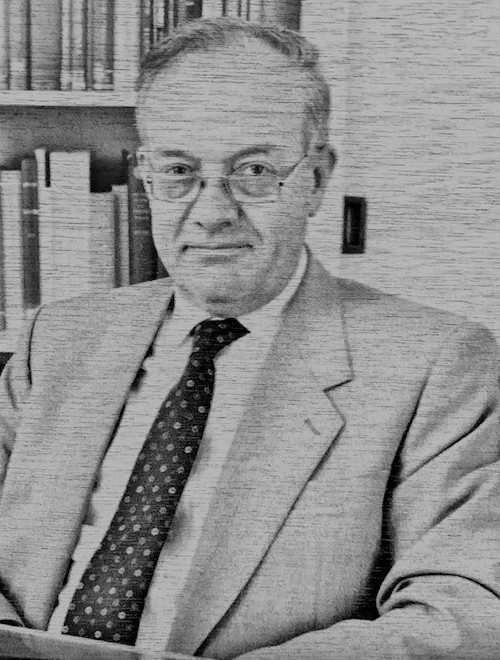
Boon, George Counsell
George Boon was one of the leading Roman archaeologists of his generation. His excavations, principally at Silchester in the north of the county, as well as on sites in Wales, were complemented by his comprehensive knowledge of Roman artefacts and coins.
-
Boyes, Robert
The ‘first historian’ of Alresford, Robert Boyes, was a native of the town, born to John Boyes and his wife Mary (nee Russell). Educated at the Free Grammar School, he was elected its master at the age of 21. Taking up residence in the schoolmaster’s house at 60 West Street, he was joined by Ann…
-
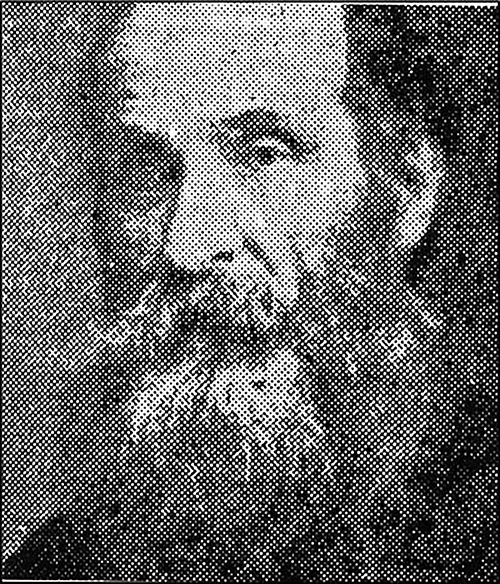
Brannon, Philip
Born at Newport on the Isle of Wight, Brannon initially followed his father’s profession of printing and engraving. Moving to Southampton, in about 1845 he set up his own business. Subsequently, his interests widened to include architecture and engineering. Relocating to Shanklin in 1863, by the mid 1870s he was settled in London. Like many…
-
Bullar, John
Born in the Southampton Parish of Holy Rood, Bullar lived his whole life in the town. A schoolmaster for nearly four decades, he taught many of those who were to become the town’s civic leaders. As it was put in an obituary published in the Southampton Times “The life of Mr Bullar is in fact…
-
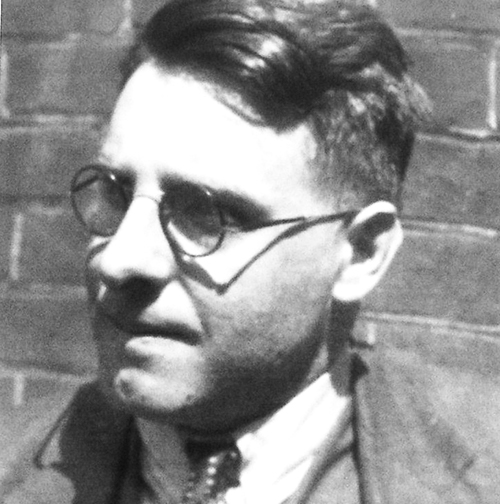
Burgess, Lawrence Arthur
Burgess was born in Chelmsford but at the time of the 1911 Census he was living with his parents in Kingston-upon-Thames. By 1939 he had moved to Southampton holding the post of Deputy Librarian since 1934. At the time he was the only professional librarian on the staff. He remained in the Library Service until…
-
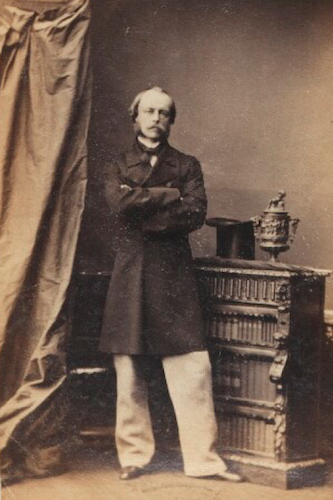
Burrard, Sidney
Sidney Burrard was born at Yarmouth, Isle of Wight, where his father Revd Sir George Burrard (3rd baronet) was the rector. As the third son, his expectations of inheritance were limited, but the baronetcy did indeed pass through him and on to his son. He served in the Grenadier Guards, as had his grandfather, Lt…
-
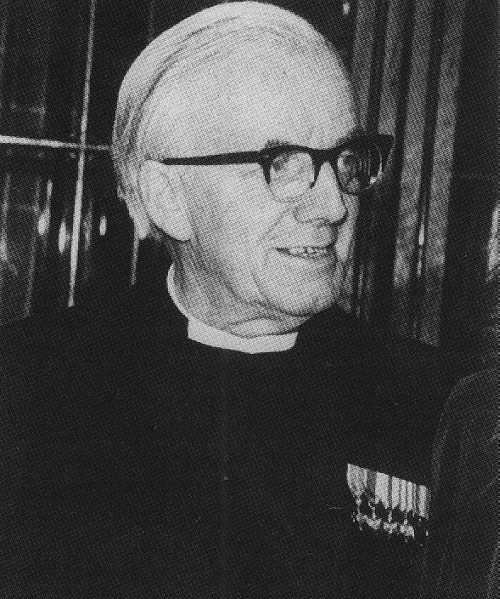
Bussby, Frederick
Born in Lancashire, Canon Bussby was a scholar at St John’s College, Durham and then an exhibitioner at Wadham College, Oxford. He was a curate in an industrial parish in Lancashire and then vice-principal of Clifton Theological College. He joined the Army in 1936 and was a Chaplain in France, Greece, Crete and North Africa,…
-
Bussby, Frederick
Born in Lancashire, Canon Bussby was a scholar at St John’s College, Durham and then an exhibitioner at Wadham College, Oxford. He was a curate in an industrial parish in Lancashire and then vice-principal of Clifton Theological College. He joined the Army in 1936 and was a Chaplain in France, Greece, Crete and North Africa,…
-
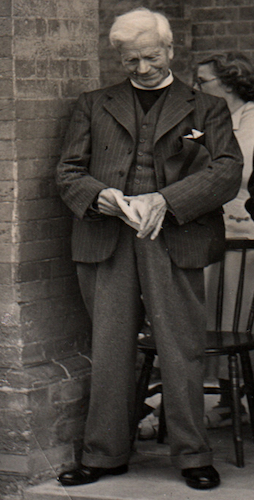
Butterfield, Roland Potter (Rev)
Born at Burgh Next Aylsham in Norfolk, Butterfield was initially employed as a gardener. In 1896, however, he was accepted for the CMS Preparatory Institution and the Church Missionary College in 1897. Three years later, he passed his 2nd Class Preliminary Theological Examination and was accepted as a missionary.
-
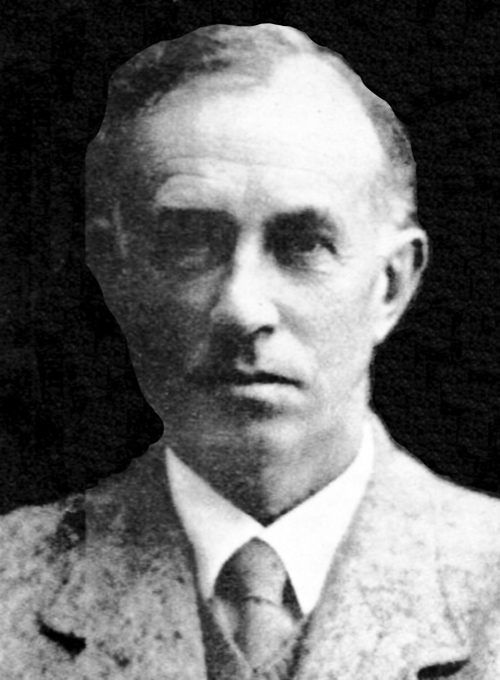
Calkin, John Bernard
Bernard was the eldest of seven children born to Harry and Margaret Calkin, of Hampstead, London. He was educated at Westminster and Jesus College, Cambridge, obtaining a first in theology and winning the University Hebrew Prize and the Keller Prize. As he was a Westminster King’s Scholar, he attended the Coronation of King George 5th…
-
Capes, William Wolfe
Capes was a particularly brilliant example of a clergyman scholar at the University of Oxford, where in 1870 he became Reader in Ancient History. He wrote several general works on ancient Rome and other Classical subjects and between about 1905 and his death transcribed and edited six volumes on the charters and records of Hereford…
-
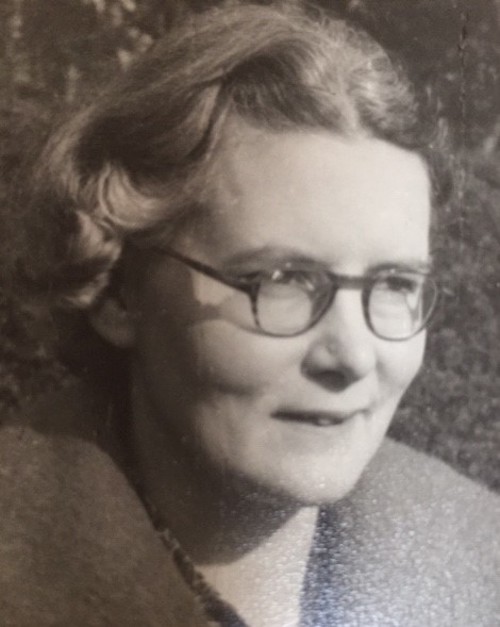
Carpenter Turner, Barbara Dorothy Mary
If anyone can be described as the doyenne (or doyen) of Hampshire history in the second half of the last century it must be Barbara Carpenter Turner (no hyphen). For half a century she played a prominent part in almost every organization that was involved in studies of the past. When the Queen and Prince…
-
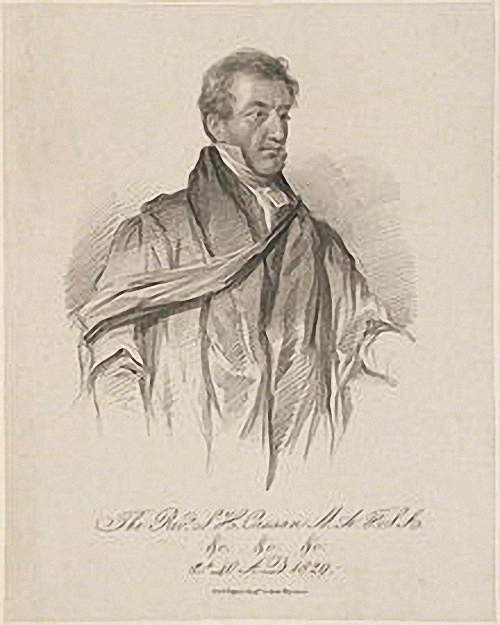
Cassan, Stephen Hyde
The Rev. S.H. Cassan was born in India, where his father, also named Stephen (1758-1794), a barrister originally from Ireland, founded the Bengal Journal, a weekly newspaper, and practised in public administration. Cassan junior went up to Magdalen College Oxford, after which like so many of his kind he was ordained.
-
Cave, Charles (‘Charlie’) John Phillip
Captain Charles Cave FRAS, FSA was a man of many parts – an officer during WWI, a notable meteorologist, astronomer and a church historian. Much of his work stemmed from his interest in and technical skills with early telephotography. His term in the Meteorological Section of the Royal Engineers led him to take many photographs…
-
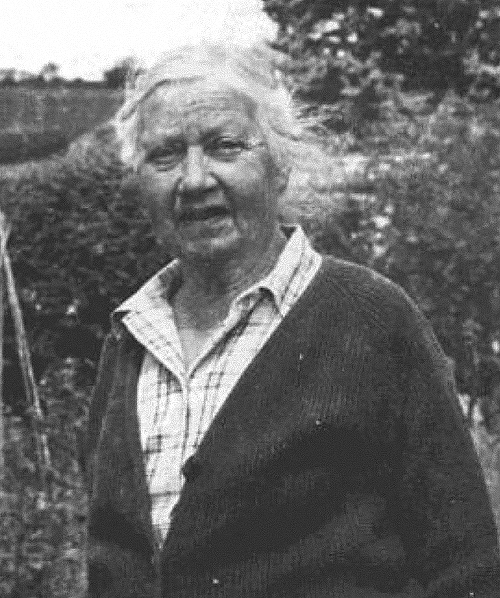
Chandler, Marjorie Elizabeth Jane
Marjorie Chandler was a significant member of the Milford-on-Sea Historical Record Society. She was born in Leamington Spa, the oldest of six children of Frederick Augustus, a jeweller, and Alice Sarah (née Roberts). She studied at Leamington High School and Cambridge University, ‘graduating’ in 1919 with first class honours in Natural Sciences. (Cambridge did not…
-
Chapman, Annie Beatrice Wallis
Annie was born in Paddington and appears to have resided for most of her life in this part of London. Her death was recorded in Hampstead. She never married. Nothing has been discovered about her education or what stimulated her interest in history, beyond noting that at some point she was awarded a BSc. In…
-
Chase, John
Apart from the fact that he was the Clerk to the Chapter of Winchester Cathedral during the Civil War, and his wife is buried in the chancel of St John’s church in the Soke, virtually nothing is known of John Chase. Yet he is one of the heroes of the world of archives, for minimising…
-
Chase, John
Apart from the fact that he was the Clerk to the Chapter of Winchester Cathedral during the Civil War, and his wife is buried in the chancel of St John’s church in the Soke, virtually nothing is known of John Chase. Yet he is one of the heroes of the world of archives, for minimising…
-
Child, Thomas Henry Melville
Melville Child was a native of Appleshaw, a village located just to the west of Andover, and a former Andover Grammar school pupil. He spent most of his working life teaching classics at Kettering Grammar School but on retirement, was able to devote his time and energy to exploring the local history of the area…
-
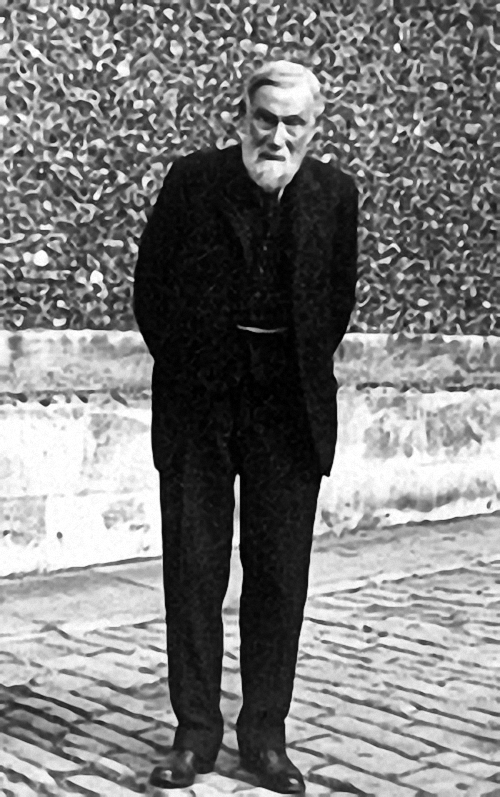
Chitty, Herbert
Herbert Chitty was educated at Winchester College from 1876 to 1882 and then went on to Balliol College, Oxford to read Classics. He was a barrister at Inner Temple from 1889 and worked on the Western Circuit. In 1903, he was appointed Secretary to the Warden and Fellows of Winchester College. He held this job…
-
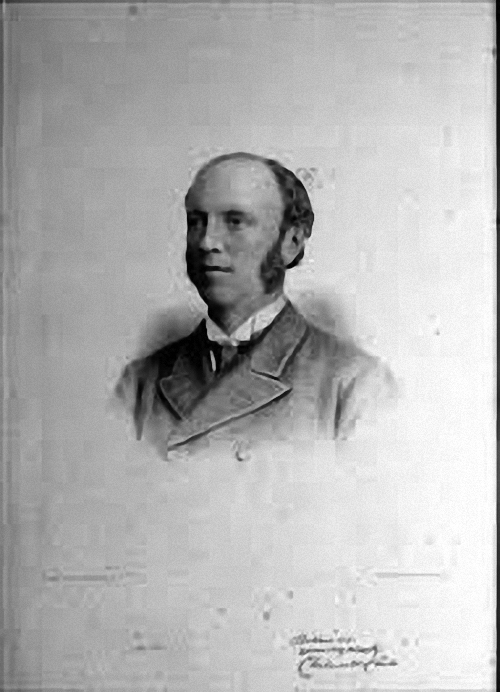
Chute, Chaloner William
Chaloner was the eldest son of William Lyde Wiggett who took the surname Chute when he inherited the Vyne Estate situated in the parish of Sherbone St John, just north of Basingstoke. Chaloner was ‘educated at Eton and Balliol College, Oxford; gained the Ireland University Scholarship in 1860; took his degree with first class classical…
-
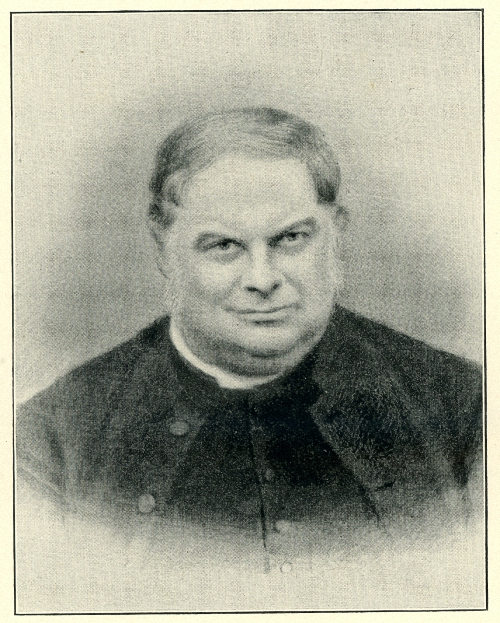
Clutterbuck, Robert Hawley
Robert Hawley Clutterbuck was born to Charles Clutterbuck ‘citizen and draper of London’ and his wife Hannah, on the first day of 1837. He was ordained in 1864 and served at Plaistow and Clerkenwell before moving, in 1880, to St Mary Aldermanbury, City of London. Failing health, brought on by overwork, caused him to leave…
-
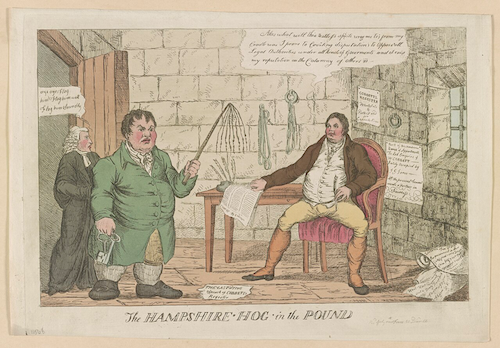
Cobbett, William
A farmer, soldier, journalist and publisher, as well as economic commentator and politician, Cobbett led an event-laden life that took him to North America and France, and many corners of Britain, interspersed with spells in gaol. He therefore has links to many counties, though Hampshire has a particular claim since, between 1805 and 1817, he…
-
Collins, Frances Brophy
Frances Collins was born in South Wales and her early interest in archaeology and local history was awakened while being driven around her father’s country doctor practices. She attended Lady Margaret Hall, Oxford, reading Modern History and graduated in 1921. A career in teaching followed, culminating in her appointment as Head of St Saviour’s and…
-
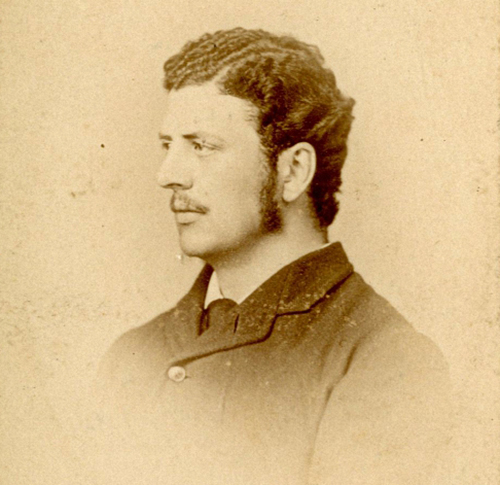
Cook, Arthur Kemball
Arthur Cook was educated at Winchester College 1863-1869. He was a scholar and won nearly all the major school prizes, followed by a scholarship to New College, Oxford, in 1869. After a 1st in Mods and Greats, he returned to teach at Winchester in 1875 and retired in 1911. He was a housemaster during that…
-
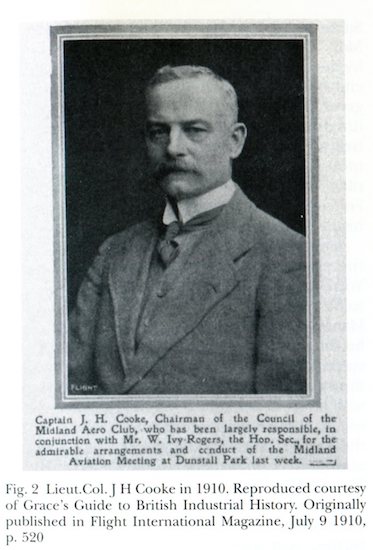
Cooke, John H
Lieutenant Colonel Cooke had a diverse career, including the military, early aeronautics and the geology of Malta, before settling in Southsea in 1921. Once there he devoted his considerable energies to studying the early history of the area and communicating it widely, not through the medium of the Field Club and academic publication, but rather…
-
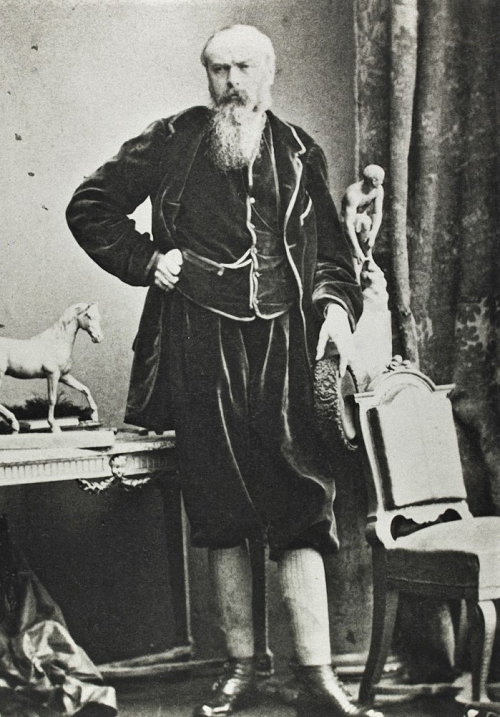
Cope, William Henry (Rev. Sir)
William was the son of Lieutenant- General E.R. Cope. He was born in France, where his parents had been detained from 1803 to 1813. He had Irish connections and undertook part of his higher education at Trinity College, Dublin, from where he graduated with a BA degree in 1831. Initially serving in the Rifle Brigade,…
-
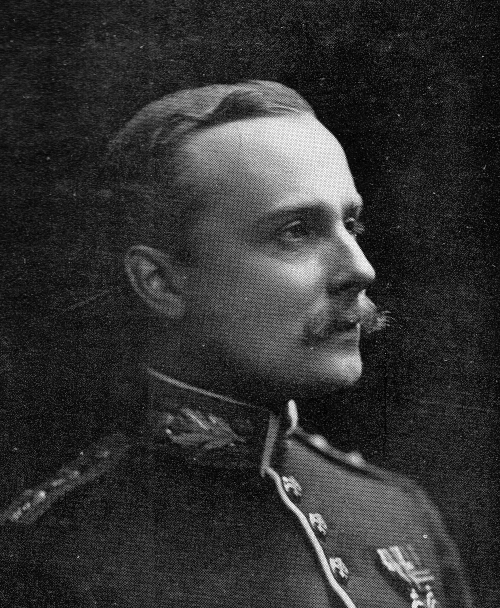
Cornwallis-West, George
George Cornwallis-West was the great-great-grandson of John Whitby, the flag captain of Admiral Sir William Cornwallis (1744-1819) of Milford-on-Sea. He was an unlikely historian, but his two historical works are of considerable value. Educated at Eton, he was more interested in hunting, shooting and fishing than academe. He was a champion army horse rider, and…
-
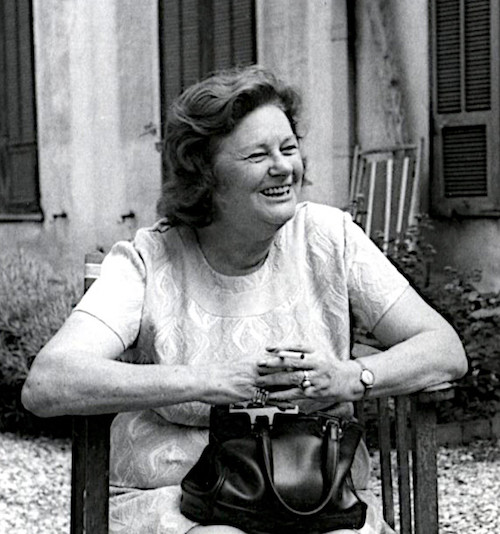
Cotton, Mary Aylwin (Molly)
Mary Aylwin Marshall was born on the Isle of Man to Robert Marshall, a Doctor of Medicine and his wife Anna. She was one of the first students to train at the London School of Medicine for Women, qualifying as a doctor. In 1928 however, having met and married Thomas Cotton, a Canadian cardiologist, she…
-
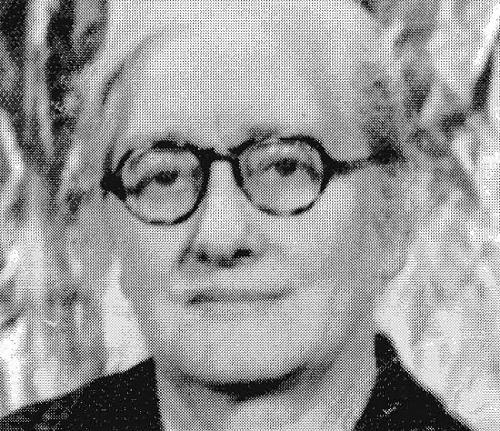
Cottrill, Eleanor (née Swift)
Eleanor Swift was a Founder’s Scholar at Royal Holloway College, University of London, going on to take an MA degree in 1929, with a thesis on medieval manorial administration based on the Winchester Pipe Rolls. Awarded a Commonwealth Fund Fellowship, she worked at the Huntington Library, California from 1931 to 1933 and, on her return,…
-
Cottrill, Frank
Frank Cottrill was born in in Walthamstow but grew up in Torquay. His father was a keen amateur photographer and artist and his parents spent much of their leisure time looking at churches and archaeological sites, firing their son’s interest in the subject.
-
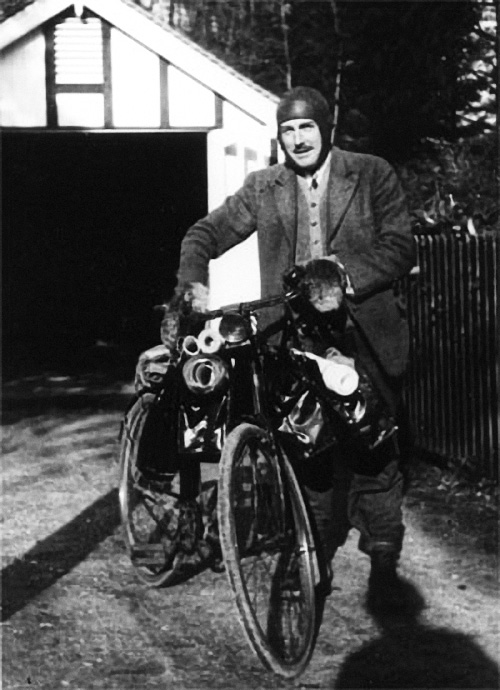
Crawford, Osbert Guy Stanhope (OGS)
Oswald Guy Stanhope Crawford, often known as Ogs, was a towering figure in archaeology in the first half of the twentieth century. He was also an author, editor, photographer, Marxist social critic and a cat mimic.
-
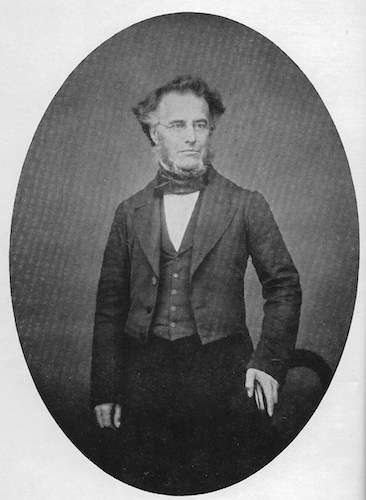
Curtis, William
William Curtis was born in Alton, Hampshire one of ten children of William Curtis and Elizabeth (nee Heath). Privately educated, then apprenticed to his father, an apothecary/surgeon, he spent time in Edinburgh and London before joining his father’s practice.
-
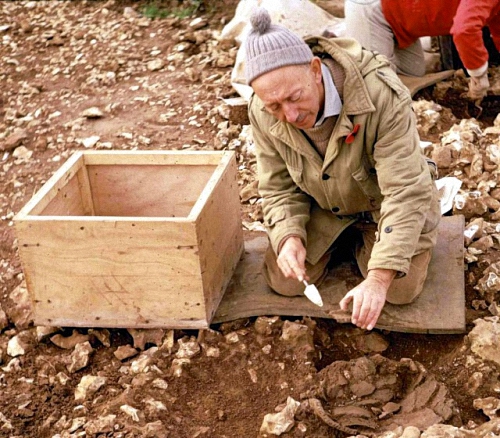
Dacre, Maxwell Waterson
Max Dacre was a ‘Geordie’ who left school at 13 and was in Jarrow at the time of the ‘Jarrow March’ (1936). This early experience fostered in him a fighting spirit which was evident throughout his life.
-
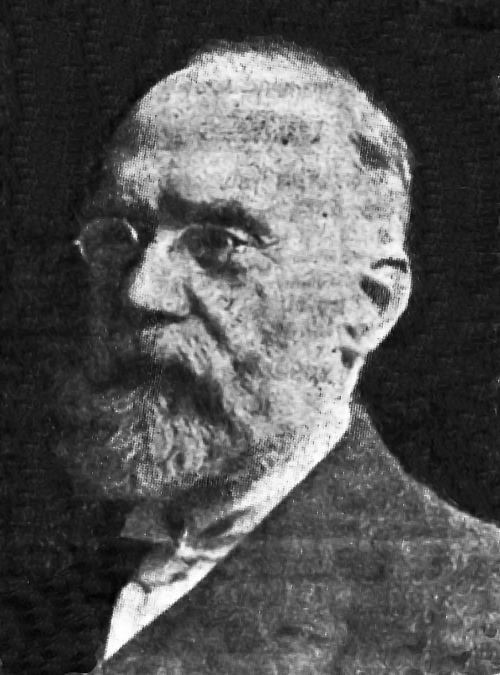
Dale, William
‘[With] the death of Mr. William Dale’ states the obituary notice in Volume 10 of the Proceedings, ‘the Hampshire Field Club lost one who served it faithfully and enthusiastically nearly from its foundation.’
-
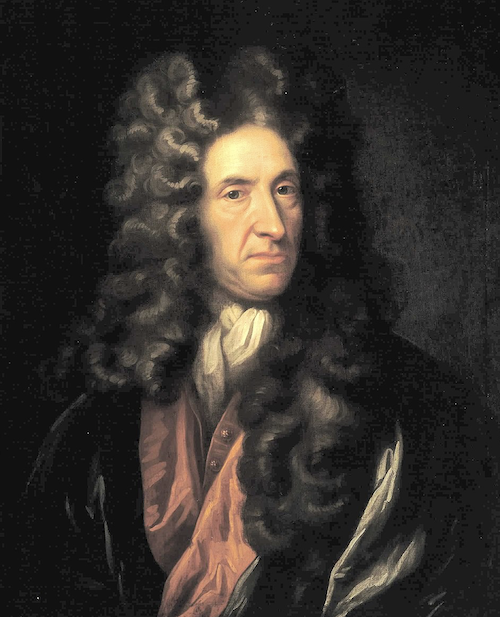
Defoe, Daniel
Daniel Defoe was a prolific writer, producing more than 300 works on a range of subjects. He is famed for his novel Robinson Crusoe (1719) but, often at odds with authority, he also spent time in prison and the stocks! His life involved spells as a merchant, landowner, traveller, bankrupt and secret agent. His finest…
-
Dewar, Hubert Stephen Lowry
Stephen Dewar was born at Andover, the third child of Albemarle O’Beirne Willoughby Dewar and Florence Wilhelmina Rose, née Matthews. Dewar was the great grandson of David Dewar, who is listed as an awardee in the 1830s, for compensation for manumitted property for the Dewar’s estate* on St Kitts, in the West Indies.
-
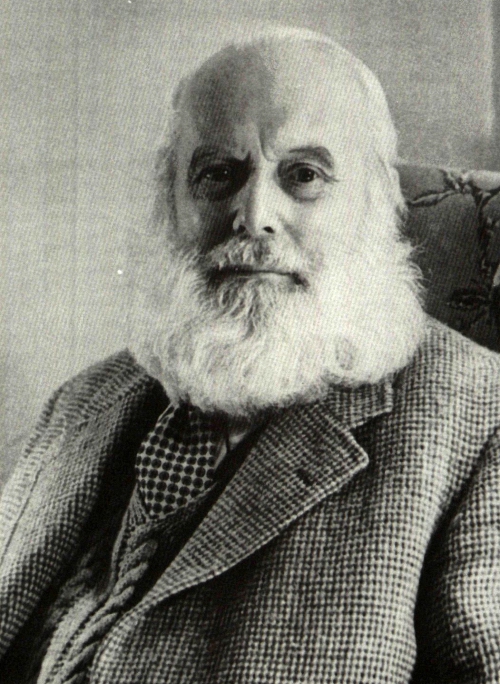
Drew, John Summers O.B.E.
A good example of an amateur local historian who gained the respect of professional historians, John Drew achieved what he did as a result of poor health and private means. Not benefiting from an education at major schools or university, at the age of 17 he joined the family London-based firm Drew and Sons, which…
-
Drewitt, Arthur
It would be easy to believe that the history of Eastleigh began in 1890, when the Carriage and Wagon Works was transferred by the London and South Western Railway from Nine Elms in London, thereby creating a rich tapestry of industry and town.
-
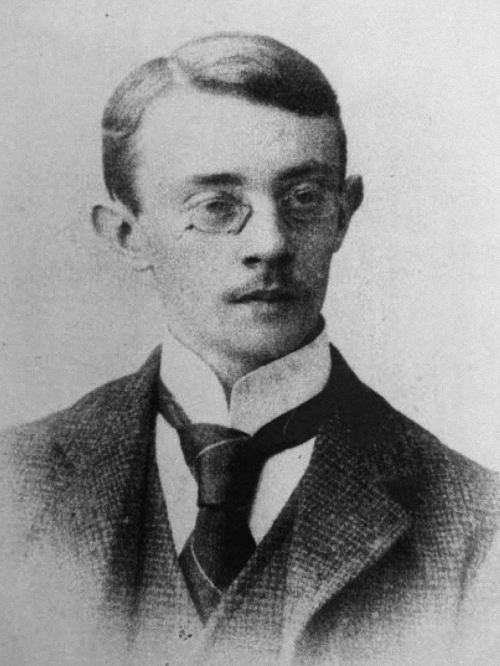
Druitt, Herbert
Herbert Druitt was born in Christchurch, then in Hampshire, to James and Matilda Druitt. He trained as a lawyer, but was essentially a man of leisure, putting his energies into brass rubbing and collecting an enormous range of archaeological and historical material which he hoarded in various family-owned properties around the town.
-
Duthy, John
He was the only son of a namesake father, who was prominent lawyer in the county, Clerk of the Peace to Winchester Court, Deputy Clerk to the Bishopric of Winchester, and Receiver General of Land Taxes in Hampshire. He owned New House Ropley, (still standing, renamed Ropley House) built by an earlier owner in the…
-
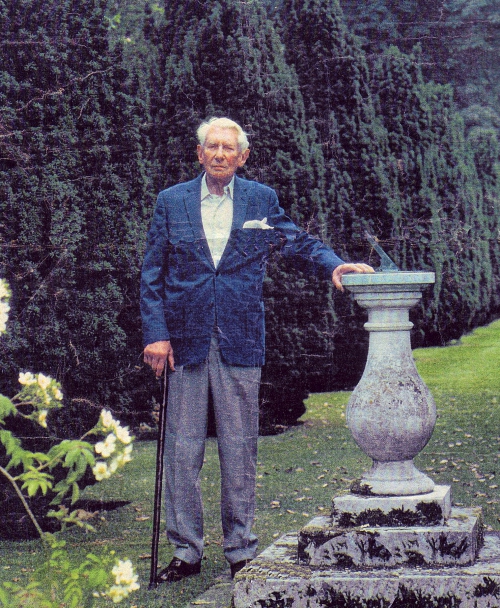
Dutton, Ralph
He was a rare example of someone born to wealth and position who wrote about his ancestors (rather than asking others to do so) with a frankness and objectivity that is rare in family histories of the great and good. For the last three years of his life he held the title 8th Baron Sherborne,…
-
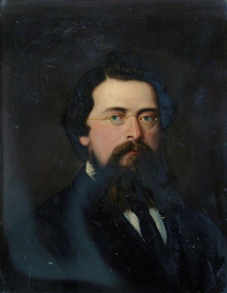
East, Robert
Born in London, by occupation he was a ‘collector of inland revenue’ (1901 census). Often quoted is his enormous compilation of 828 pages of local records, Extracts from Records in the possession of the Municipal Corporation of the Borough of Portsmouth, published by the Corporation in 1891. There were appendices on a ‘serious dispute’ amongst…
-
Englefield, Sir Henry Charles
Born at the family mansion Englefield House, situated near Reading, Sir Henry was the eldest son of the Sixth Baronet, Sir Henry Englefield and his second wife Catherine (nee Buck). In 1778, aged 26, he was elected a Fellow of the Royal Society, and in the following year a Fellow of the Society of Antiquaries.
-
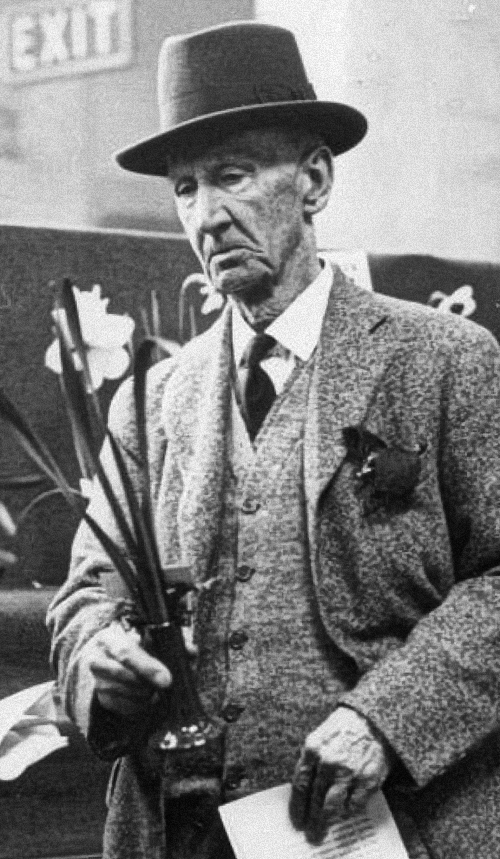
Engleheart, George Herbert
The Rev George Engleheart achieved national prominence as one of the greatest ever breeders of daffodils, but as a ‘highly cultured man, well read and appreciative of everything that is beautiful’ he also found time to indulge in the classical archaeology of his local Hampshire parishes.
-
Escombe, Frances Dorothy
Her father, William Escombe, was a shipping and insurance agent with the family firm Escombe, McGrath & Company Ltd in Manchester, which provided the family with a comfortable living. They moved to Bishopstoke in 1874, where Dorothy was born two years later.
-
Everitt, Alfred Thomas
Born in Clerkenwell, London, he came to Portsmouth to work at the brewery of Pike, Spicer & Co (later taken over by Brickwood’s), where he eventually became a director. He had a strong interest in genealogy and local history and after his death left a large collection of notes that were purchased by the Borough…
-
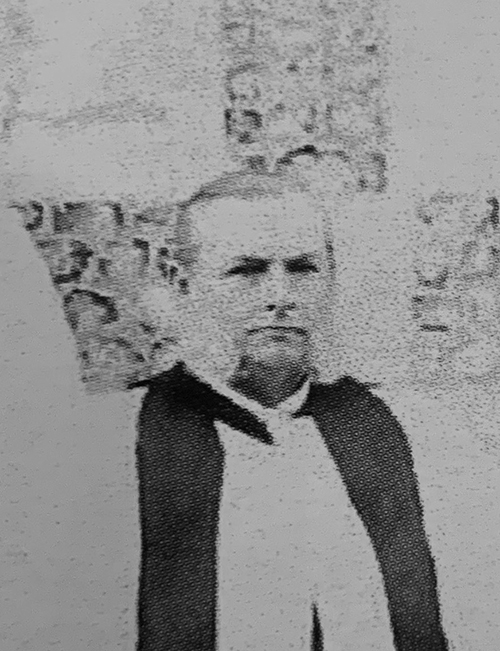
Eyre, Rev William Leigh Williamson
Eyre was born in Padbury, near Buckingham, and began his working life in the merchant navy. By his early 20s, however, he had taken holy orders and served as curate at a number of English parishes before – in 1875 – becoming rector of Swarraton and vicar of Northington, where he spent the rest of…
-
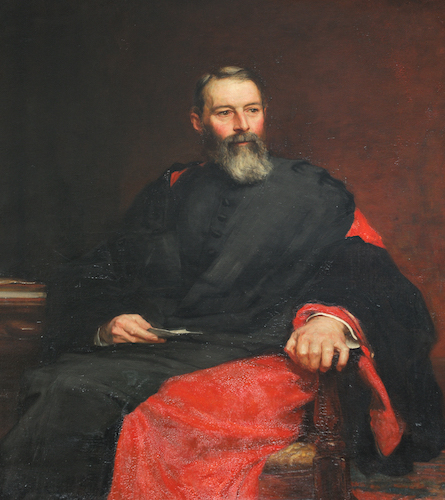
Fearon, William Andrewes
Usually known as the Venerable William Fearon DD, he was one the many ‘priest headmasters’ of Winchester College. He is included because he clearly had an interest in local history and is credited with ‘earnestly’ promoting its study in the county (see Hants & Berks Gazette on 31 March 1906, cited in the profile of…
-
Fiennes, Celia
The author of what has been described as the most important travel journal of the 17th century, Celia Fiennes, was born at Newton Toney in Wiltshire, to Nathaniel Fiennes, a Parliamentarian colonel in the English Civil War, and his second wife, Frances.
-
Finch, Arthur Thomas
Finch is an example of a clergyman writing local history at a time when there was much encouragement do so, especially by other churchmen. A review of his Story of the Parish Church at Clere published in the Hants & Berks Gazette on 31 March 1906 praised him for having a ‘capable and careful pen’…
-
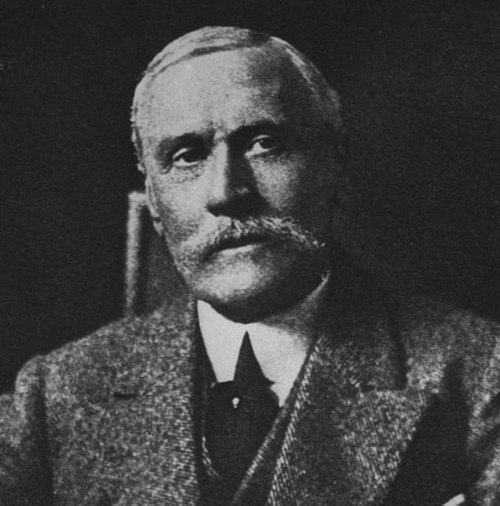
Fowler, James Kingston
James Fowler KCMG, KCVO, FRCP, MA was born at Woburn, Bedfordshire, the fifth son of James Fowler and his wife Frances. From 1870 onwards he attended King’s College, London. He was initially intent on training for the Church but changed course in order to pursue a medical career. He qualified as a Member of the…
-
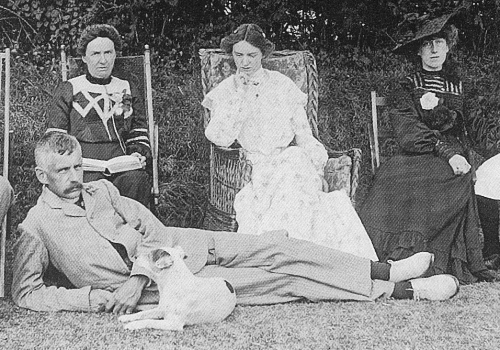
Fox, Charles Frederick
Charles Fox came from a well-established Southampton family and his father, Frederick, inherited enough money to build a country house (The Lawn) at Bursledon. Charles pursued a career in banking and eventually became manager of the Capital and Counties Bank in Winchester.
-
Furley, John Sampson
He was a son of Richard Lee Furley, a shipowner of Hull and Gainsborough and was educated at Winchester College and Christ Church, Oxford, where he graduated with a First in Mods and Greats. He used to say: ‘I owe everything to be elected a scholar of Winchester at the age of 12.’ In his…
-
Gallup, Peter Whitfield
Peter Gallup was born in Hampshire and spent his early years at East Meon before moving to Devon. He attended Lancing College before studying agriculture and forestry at Oxford. Gallup became a partner in a fruit importing business which ceased trading with the onset of World War II and he signed up, joining the Royal…
-
Gatehouse, Thomas
Sir Thomas Gatehouse was the son of the minor gentlemen, Thomas Gatehouse and inherited his Danebury estate, in particular lease of Nether Wallop rectory. In 1761 his wife accrued the Headley Park estate of her father, the minor literary figure. William Huggins The younger Gatehouse saw himself among the county elite as he was sheriff…
-
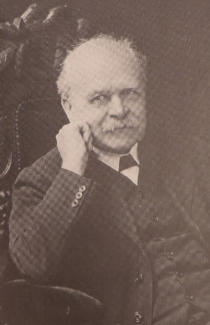
Gates, William George
A prime example of the journalist historian, who clearly had a strong interest in the past, but was also a populariser who saw local history as a useful page filler. He started as a junior reporter with Portsmouth Evening News shortly after its foundation by James Graham Niven in 1877. In the foreword to his…
-
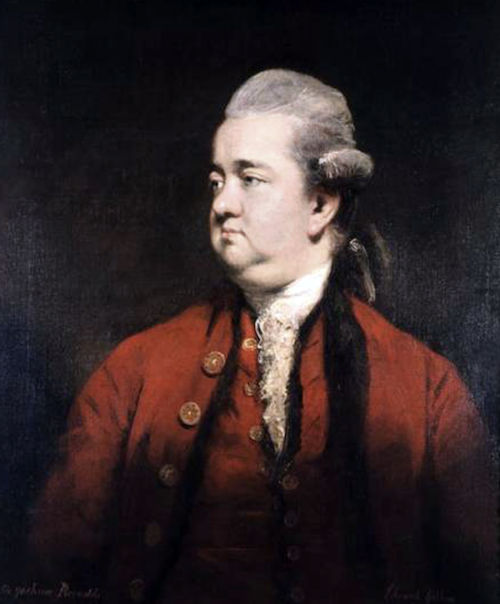
Gibbon, Edward
Edward Gibbon is best known for The History of the Decline and Fall of the Roman Empire published in six volumes by 1788, but he also served in the military and in Parliament, predominantly with Hampshire connections. By the end of his life, he was considered ‘a giant of the Enlightenment’, his work praised for…
-
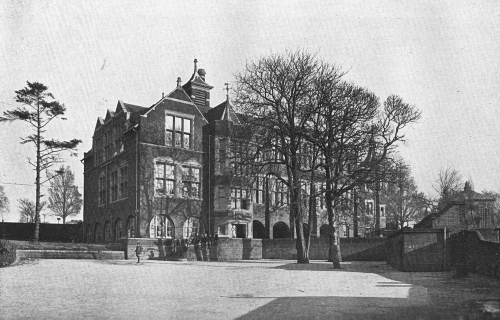
Gidden, Harry William
Harry Gidden was on the staff of King Edward VI School in Southampton for over 42 years from 1883. He had previously been a pupil at the School since 1879. Retiring in 1925, a year or so earlier he had been awarded a PhD by London University ‘for his noteworthy work on the charters of…
-
Gilbert, Henry March
Born at Halstead in Essex, Gilbert moved to Southampton with his parents during the 1850s. He married Mary Emma Stanesby in 1867 and they continued to reside in the town for much of the remainder of the 19th century, although for a short period the couple lived in Wandsworth. While in Southampton Gilbert established a…
-
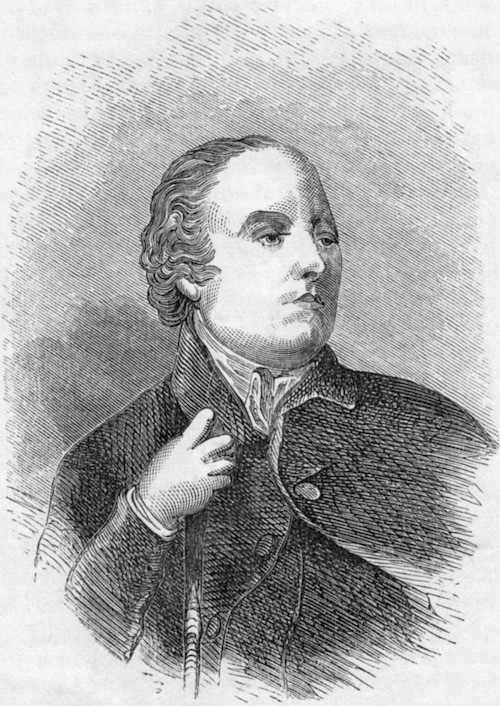
Gilpin, William
William Gilpin was a Church of England cleric, schoolmaster, artist and author. He is perhaps best known as a travel writer, and one who originated the idea of the ‘picturesque’.
-
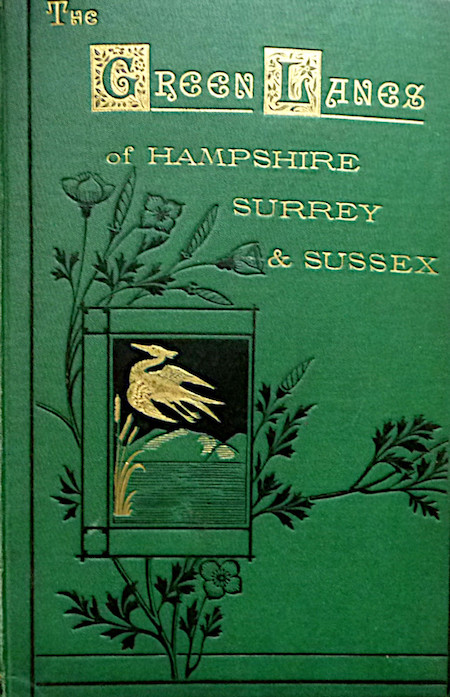
Godwin, George Nelson
George Godwin was born in Winchester to Edwin Godwin, a draper, who later became a farmer at Melksham, and his wife Mary (nee Tugwell). By the age of 22 he had passed through the London College of Divinity at Highbury, being ordained deacon in 1869. The following year he entered the priesthood, the same year…
-
Goodman, Arthur Worthington
The contributions of Arthur Goodman, Honorary Canon of Winchester Cathedral, should be considered in tandem with those of his wife, Florence, also profiled for CHH. He was born in Chapel-en-le-Frith, in the Derbyshre Peaks, the son of Thomas Devonport and Emily Jane Goodman. He lost his father at the age of 3, but was clearly…
-
Goodman, Florence Remington (née Merriott)
Florence was born in Sandhurst, Berkshire, to Rev. John Hepburne Merriott, an Oxford graduate and Assistant Master at Eton College, and his wife Caroline. He died in Winchester in 1919, living at Dormy Cottage, 49 St Cross Road, where Florence and her husband later came to live (father’s will: 5M64/40. Microfilm).
-
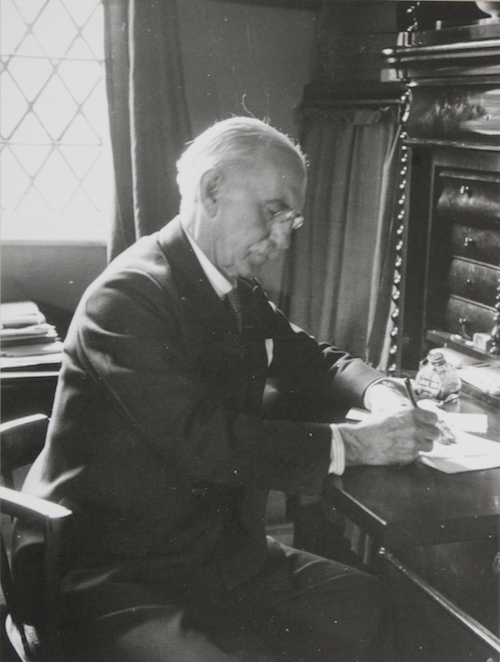
Green, Arthur Robert
Arthur Green was born in in 1866 in Bromsgrove, the eldest of three children of a prosperous grocer. He was a medical student in Edgbaston, Warwickshire in the 1890s. He qualified as a surgeon and set up in practice in Ledbury. He kept a large household in New Street, Ledbury. During the First World War…
-
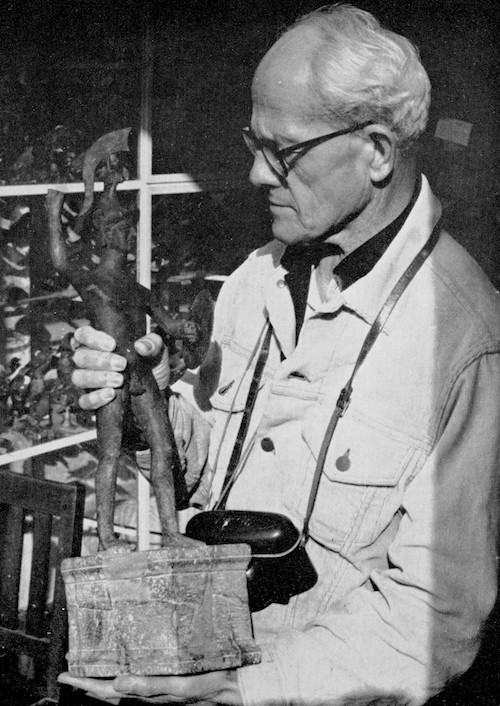
Grinsell, Leslie Valentine
Leslie Grinsell was born in Hornsey, London and raised largely in Brighton, developing an early interest in archaeology through visits to Brighton Museum. Although he was initially attracted by stone tools, he came to focus his attention on barrows, realising that these were among the least well understood prehistoric monuments in the British landscape and one of the few categories…
-
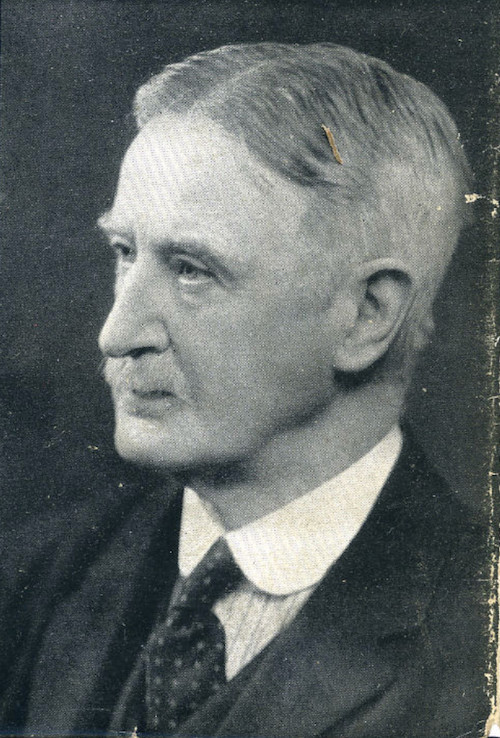
Grundy, George Beardoe
Grundy was an Oxford don and historian, with a strong militaristic background. His specialism was the military history of Ancient Greece and Rome, but he also turned his attention to Saxon charters, field names and old highways and produced influential lists and articles for a number of English counties, including Hampshire.
-
Hagen, Marianna Sophia
Born in Echunga, in the Adelaide Hills, South Australia, in 1852 – only three years after the town had been founded – by 1861 she was living as a young girl in Alresford with her parents, Jacob and Mary. Jacob was a wealthy businessman who had come to England in 1853 after 14 years in…
-
Hannen, Reginald Stephen John
He came from a family well rooted and in business in Fordingbridge. His father, John, is described as an ‘estate agent and auctioneer’, and he as a ‘land agent and auctioneer’. In 1880 his father was appointed coroner for the town and he followed in 1898. Later, he traded as Hannen & Sampson (HRO, 12M86).…
-
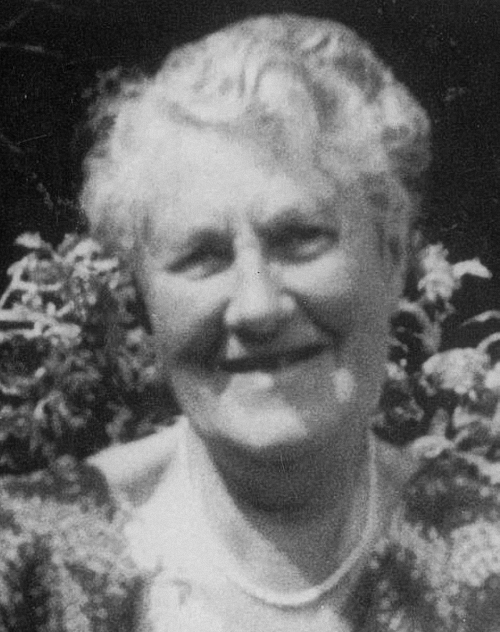
Hardcastle, Félicité Frances
Félicité Hardcastle was born in Oxford. Her great grandfather was Sir William Herschel and her father, Joseph Alfred Hardcastle, was also a noted astronomer. When he died, in 1916, she and her mother moved to the New Forest village of Burley.
-
Harvey, John Hooper
John Hooper Harvey trained as an architect under his father and under Sir Herbert Baker. He worked before WW2 for the Ministry of Public Works, then as a lecturer in the Bartlett School of Architecture at University College, London from 1950-1959. He was Consultant Architect to Winchester College from 1947 to 1986, and Keeper of…
-
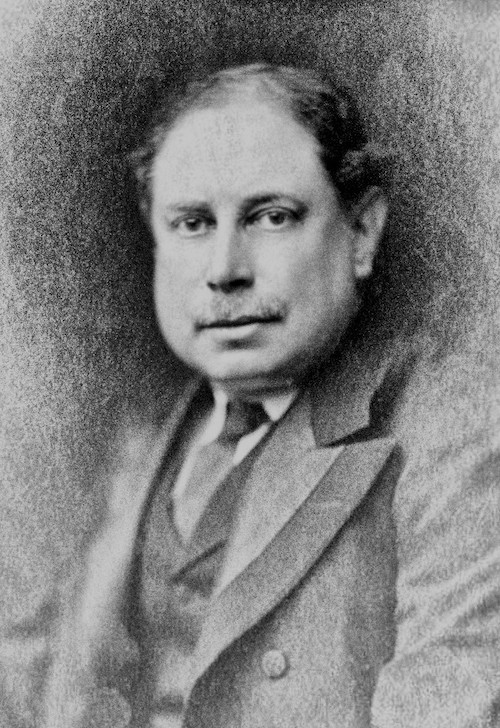
Haverfield, Francis John
Francis Haverfield was born at Shipston-on-Stour, Warwickshire to Rev William Haverfield and Emily his wife (née Mackarness). His mother died when he was two and his father fell into a ‘hopeless and prolonged decline’. Deprived of a normal home life, Francis developed an abruptness of manner which was apparently with him for the rest of…
-
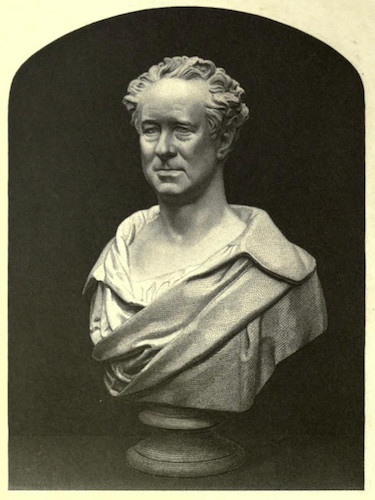
Hawker, Peter
The ‘sporting exploits’ of Colonel Peter Hawker, considered one of the ‘great shots’ of the 19th century, were widely followed during his lifetime, and his Instructions to Young Sportsmen in All That Relates to Guns and Shooting was something of a best-seller. When he wasn’t pursuing fish, fowl (or beast, for that matter) his diary…
-
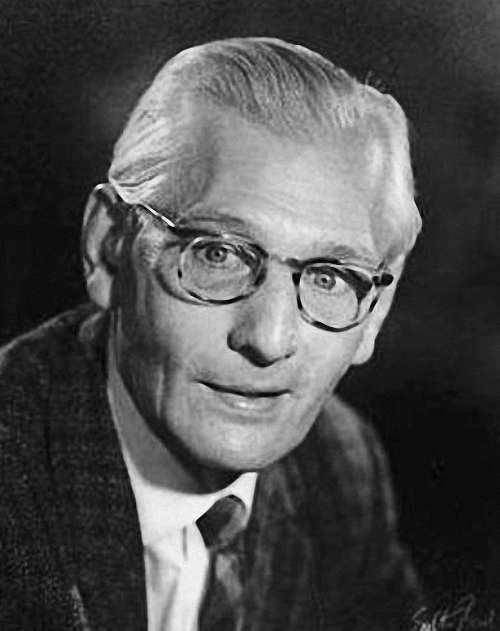
Hawkes, Charles Francis Christopher
C F C (Christopher) Hawkes spent his early years in London and Northumberland before attending Winchester College and New College, Oxford.
-
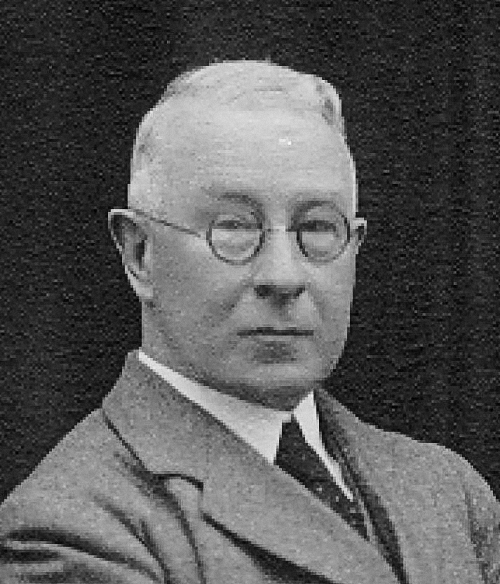
Hearnshaw, Fossey John Cobb M.A., LL.M.
Born in Birmingham, Hearnshaw went to Walsall and Manchester Grammar Schools before leaving school at 14 years old to be apprenticed to a pharmaceutical chemist for five years.
-
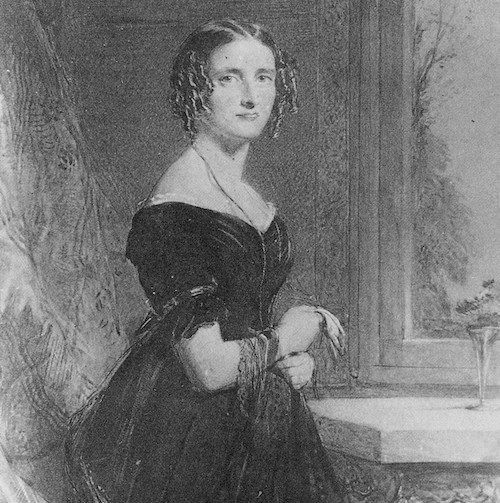
Heathcote, Selina
On 6 April 1841, Miss Selina Shirley of Eatington Hall, Warwickshire, recorded in her diary that she ‘walked in the Garden with Sir William [Heathcote] & promised to become his Wife’. They were married on 18 May. This was a second union for Heathcote, whose first wife, Caroline, had died in 1835, after bearing him…
-
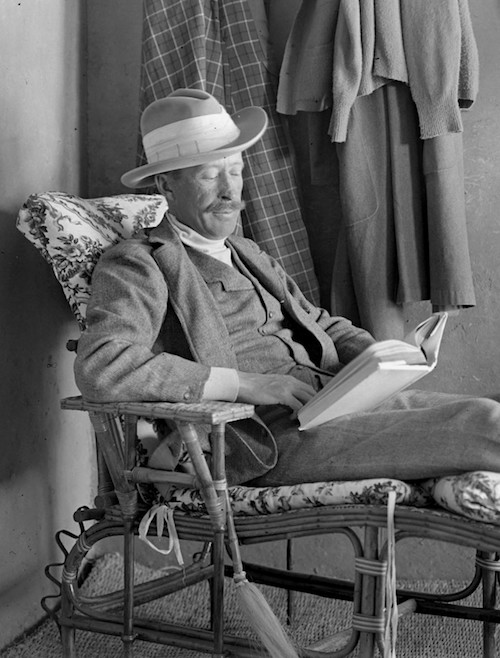
Herbert, George Edward Stanhope Molyneux (5th Earl of Carnarvon)
Lord Carnarvon is best remembered for his sponsorship of the Egyptian excavations led by Howard Carter, which culminated in the discovery of the tomb of Tutankhamun. This high point was achieved, however, only after several years as an enthusiastic amateur Egyptologist and collector of antiquities.
-
Hervey, Thomas – Rev.
In some ways, Thomas Hervey fits the classic model of the well-educated clergyman, with a country living remote from any town, who spent much of his time delving into the history of his parish, aided by the parish records close at hand. In other ways, he was a one-off, demonstrating some rare talents for a…
-
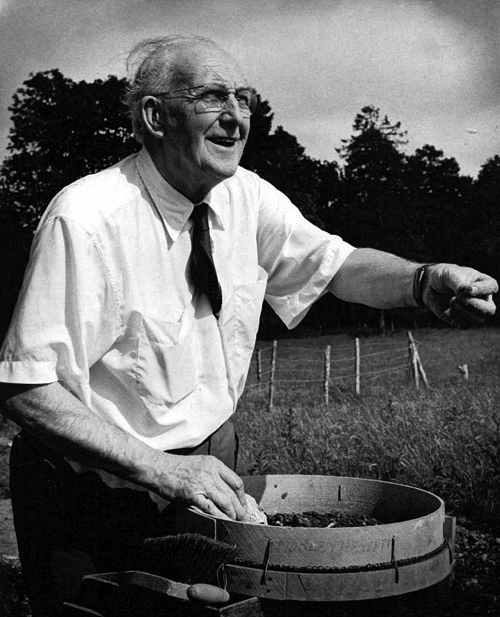
Hewitt, Albert Tennyson Morley
Morley Hewitt was a chartered surveyor (FRICS) and enthusiastic amateur archaeologist and local historian from Fordingbridge, who dedicated much of his life to unearthing Rockbourne Roman villa.
-
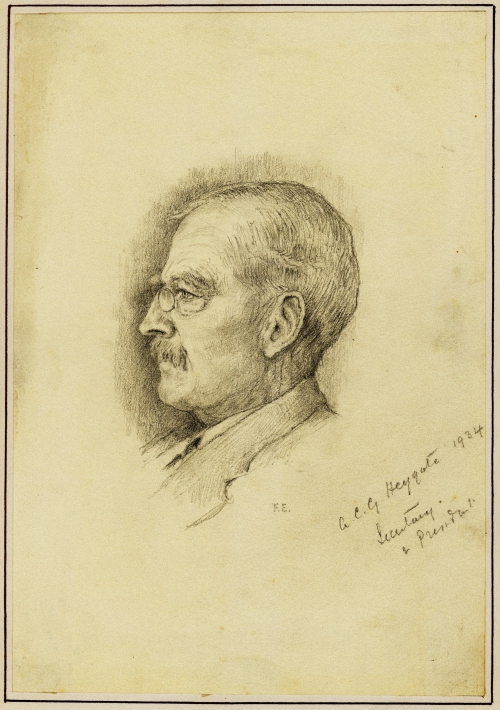
Heygate, Arthur Connolly Gage
Heygate was born at Ballarena, Londonderry, the third son of Sir Frederick Heygate Bart MP, and heir presumptive to the baronetcy on his death. He was a King’s Scholar at Eton from 1876 to 1882 before going up to Christ Church and then St John’s, Oxford, where he took a First in Classics in 1886…
-
Hill, Arthur Norman
Norman Hill was born in London. Trained as a solicitor, he became a senior partner in the Liverpool firm Hill, Dickinson & Co, specializing in shipping. In 1899 he married Ellen Mary Stratford – they had one son (Norman Gray Hill) and three daughters, one of whom was Rosalind Hill.
-
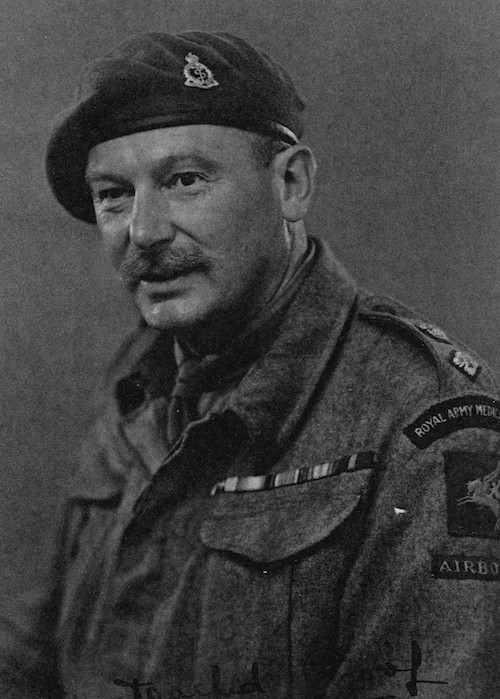
Hill, Norman Gray
Norman Gray Hill was one of four offspring born to Sir Norman and Lady Hill, and their only son. A younger sister, Rosalind, 14 years his junior, became a professor of medieval history at the University of London.
-
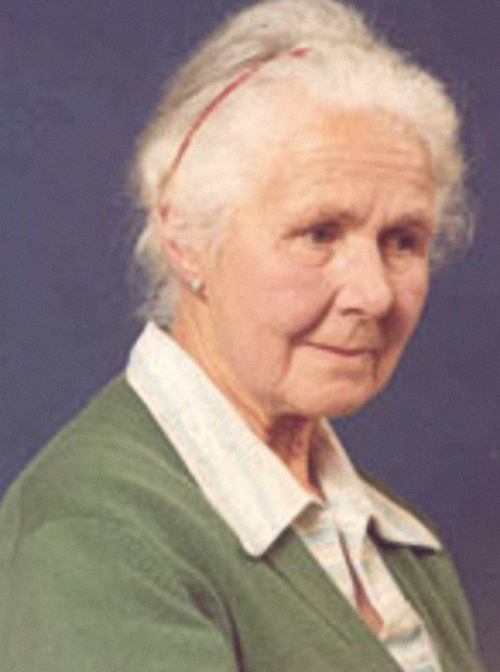
Hill, Rosalind Mary Theodosia
Rosalind Hill was born in the Wirral to Norman Hill, a prominent shipping lawyer, and his wife Mary. After reading history at St Hilda’s, Oxford, she went on to gain a B Litt, researching ecclesiastical letter books of the 13th century. She taught briefly at University College, Leicester before moving, in 1937, to Westfield College…
-
Hockey, Stanley Frederick
Dom Hockey belonged to Quarr Abbey, a Catholic Benedictine monastery between Binstead and Fishbourne on the Isle of Wight. It is close to a quarry that in the middle ages supplied ‘Binstead stone’ for the Tower of London, Winchester Cathedral, Romsey Abbey and other churches. It was almost depleted by the end of the middle…
-
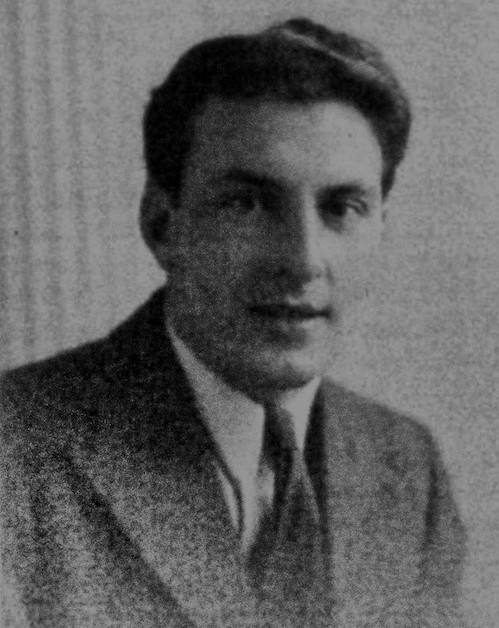
Holland, Alec John
Born in Buckinghamshire, Alec Holland was raised on the Exbury Estate, on the Solent shore, where his father was groom to the de Rothschilds. His mother died when he was eleven and he was brought up by his father, elder brother and sister-in-law. Financial help from the Rothschilds enabled him to attend grammar school in…
-
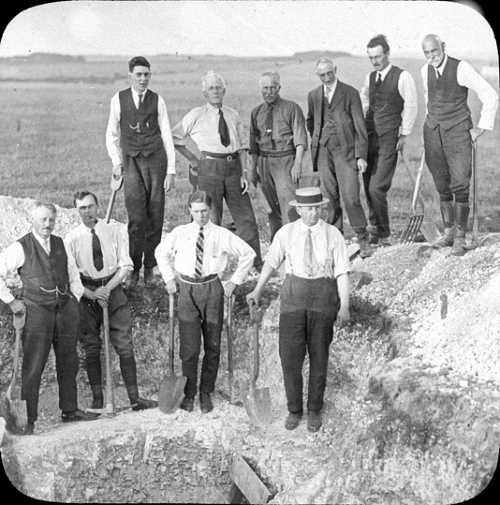
Hooley, Reginald Walter
Reginald Hooley was a wine merchant from Winchester with a passion for fossil collecting. He was born in Southampton and began his paleontological career by searching out specimens on the Isle of Wight, eventually discovering a new species of dinosaur.
-
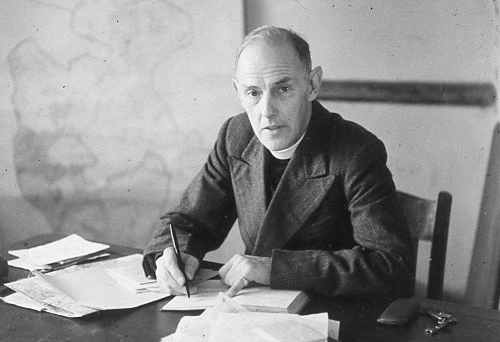
Hooper, Samuel Gordon
Samuel Gordon Hooper, born in Greenwich, was educated at Sherborne School, Emmanuel College, Cambridge, and Wells Theological College. He married Dorothy Masters in 1924. From 1931 to 1949, he served as Vicar of All Saints’ Church, Milford-on-Sea, where he became deeply involved in the local community, contributing to Milford Hospital, the Boys’ Club, Toc H,…
-
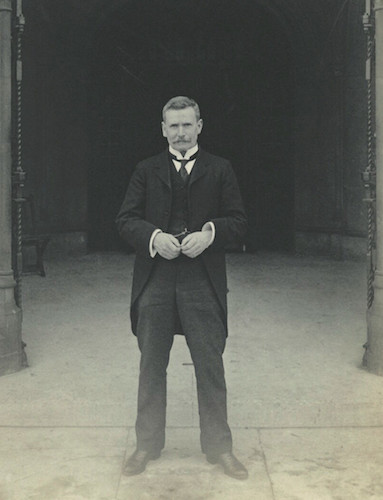
Hope, William Henry St John
William Hope was born in Derby, the son of Rev William Hope and his wife Hester (neé Williams) and educated at Derby Grammar School before going up to Peterhouse, Cambridge. He graduated with a BA in 1881, received his MA in 1884 and the following year became Assistant Secretary at the Society of Antiquaries.
-
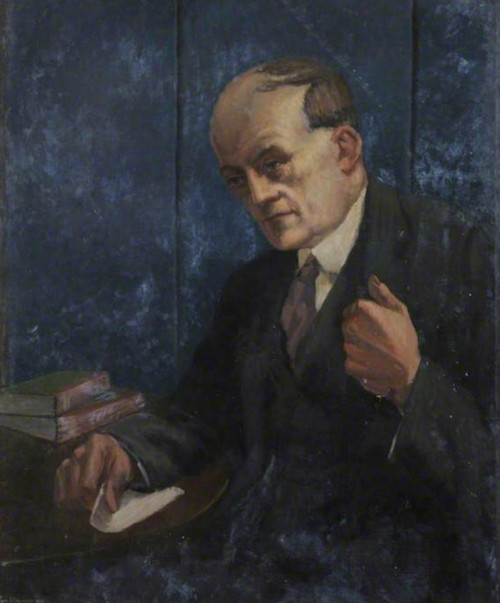
Horrocks, John Wesley
John Horrocks was born in Manchester. A graduate of London University, the title of his thesis for a Doctor of Literature degree was ‘Machiavelli in Tudor Political Opinion & Discussion’. He had a varied career, including a spell as ‘a reporter in the House of Commons’, before joining the staff of University College, Southampton in…
-
Howell, Alexander Nathaniel Yatman
His only publication, much-quoted, was Notes on the topography of Portsmouth, together with historical and statistical information, published in 1913. He was prompted to put his considerable knowledge of the city – acquired as a ‘conveyancing solicitor’ – into print after being asked by the journalist and historian W.G. Gates for help in compiling his…
-
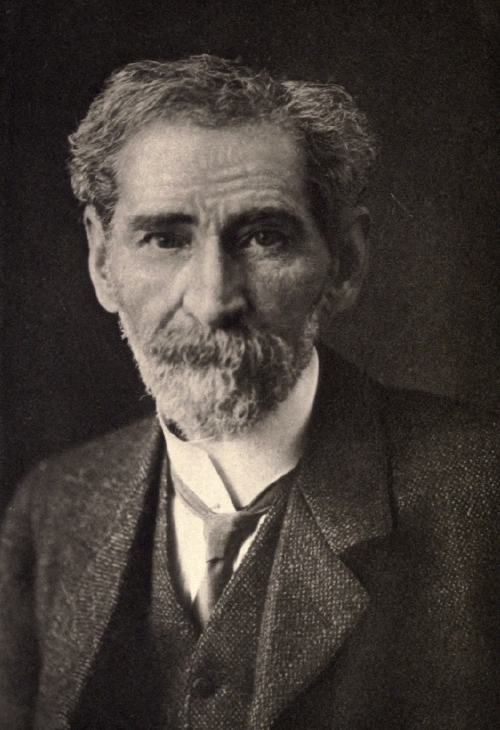
Hudson, William Henry
W H Hudson was born in Argentina to American immigrant parents, who tried their hand at sheep farming. In his twenties he travelled widely, settling in England in 1869 and becoming a British citizen in 1900. He was essentially a naturalist and ornithologist, but also wrote romances with a South American setting. These attracted little…
-
Hutchins, Rev. Alan Borman
Alan Borman Hutchins was the elder son of John D’Oyly Hutchins and his wife Mary (nee Borman) of Penton Lodge, Penton Mewsey. He attended Winchester College from 1797-1800, before going on to the Queen’s College, Oxford, being awarded a BA and ordained a deacon in 1803. He became a priest two years later and two…
-
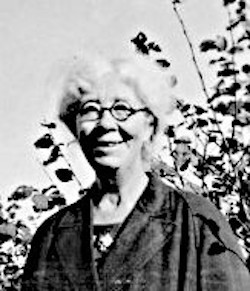
Innes, Kathleen Elizabeth (née Royds)
‘… to friends and acquaintances… she seemed a quiet, unassuming woman with intelligence and compassion who rarely spoke of her activities on the international stage, but threw herself into village life, becoming the unofficial village historian and president of several local organisations. To international colleagues, she was an efficient organizer, tireless worker for rights and…
-
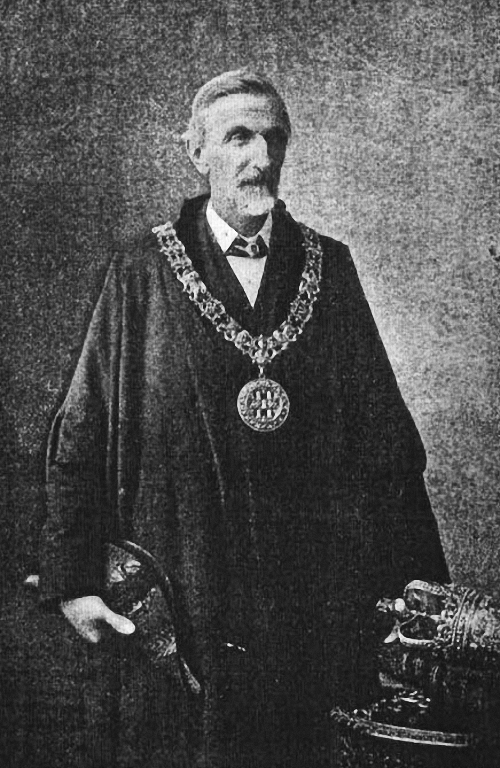
Jacob, William Henry
The son of Jacob Jacob II (1800-1888) and his wife Mary Ann (née Fry, buried in 1833 in Winchester Cathedral churchyard), he was christened at the Independent chapel, Winchester, and became a well-known local journalist and civic dignitary.
-
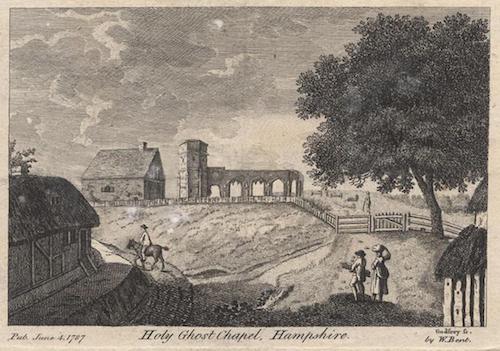
Jefferson, Joseph
Jefferson was born in Wigton, in the county of Cumberland and, educated at a grammar school in the town. Of a ‘studious disposition’ and wishing for a ‘contemplative life’ he planned to enter the ministry. After teaching for a number of years, for various reasons he became estranged from the Established Church and in 1789…
-
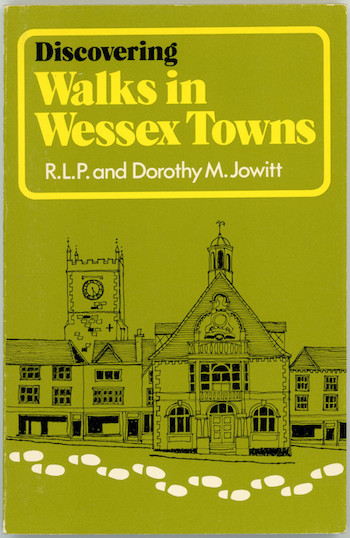
Jowitt, Robert Lionel Palgrave
R L P Jowitt was one of Hampshire Field Club & Archaeological Society’s most devoted servants. He was an indefatigable organiser of field excursions and associated events and had a particular interest in church architecture and archaeology which saw him lead many Field Club visits both within and outside the county. He served as Honorary…
-
Joyce, James Gerald
James Joyce (B.A., F.S.A., B.D.) graduated at Oxford in 1846 and in the same year was admitted to holy orders. He held positions at Wing, Buckinghamshire, and Burford, Oxfordshire, before becoming in 1855, by the gift of the Duke of Wellington, rector of Stratfield Saye in Hampshire.
-
Kentish, Nathaniel Lipscomb
Although born in Winchester, the son of a naval surgeon, Kentish spent the second half of his life in Australia. He was baptised at St Laurence church on 7 May 1798. On 7 February 1826 he married Anna Maria Judd. Kentish had a somewhat ‘chequered’ career, including pamphleteering and political agitation, and was frequently beset…
-
Kenyon, Katherine Mary Rose (known as ‘Kitty’)
Although her birth was registered in Medway, Kent, Katherine came from an old Shropshire family of lawyers and military personnel. Census records indicate that in 1891 the family were living in Gillingham and in 1901 in Devonport. It is not known precisely when but shortly thereafter, her father Major-General Edward Ranulph Kenyon C.B., C.M.G, the…
-
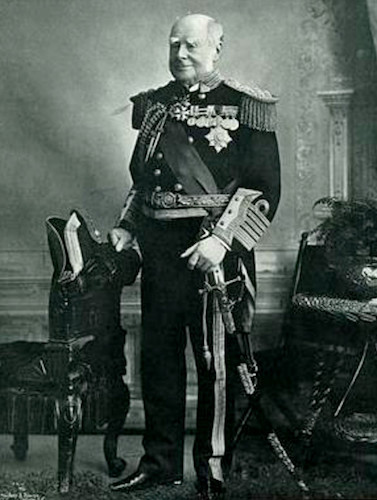
Keppel, Henry
The Honourable Sir Henry Keppel GCB OM was a career naval officer who served in most corners of the world and rose to the rank of Admiral of the Fleet. His autobiography, published in 1899, paints a vivid picture of a remarkable life.
-
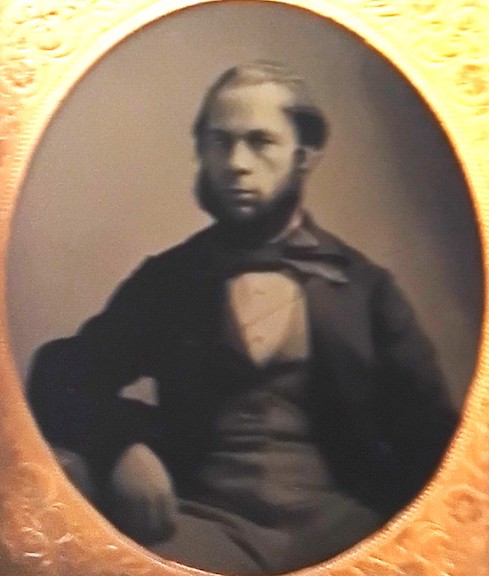
King, Edward
Edward King was born in Lymington, the son of Richard and Elizabeth King. He was educated at Amsterdam House, Christchurch, before joining the family business in the town, which was an offshoot of his grandfather’s printing business in Yeovil. One member of the family, Charles, had moved to Lymington in 1805, and his nephew, Richard…
-
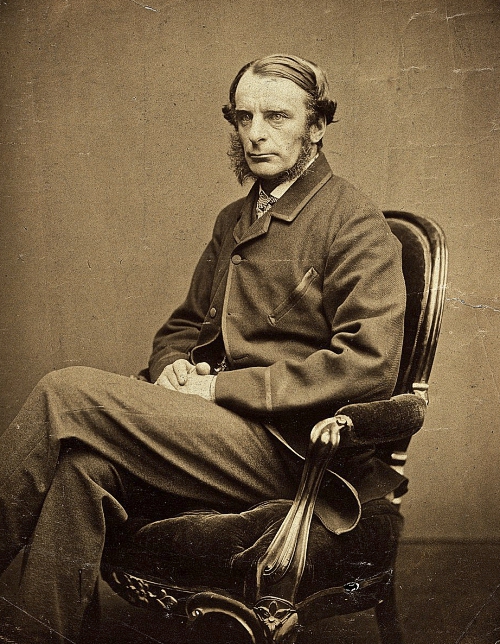
Kingsley, Rev Charles
Charles Kingsley was born at Holne, Devon and educated at Kings College, London and Magdalene College, Cambridge. He took holy orders and married Fanny Grenfell and in 1844 was given the living at Eversley, after being curate there for two years. At that time Eversley was a remote village in the northeast Hampshire heathland fringed…
-
Kirby, Thomas Frederick
Kirby was educated at Eton 1848-1855 and then at Trinity College, Cambridge, where he stayed on as a fellow and assistant tutor 1861-1864. He then moved to London and was called to the Bar in 1866. He worked as a conveyancer and equity draftsman at Lincolns Inn, and acted as a reporter in the Rolls…
-
Kitchin, George William – Dean
Although history was one of Kitchin’s main interests, he was something of a polymath who followed a variety of activities, and in three different centres. Fortunately, during his two periods in Hampshire he left marks that can be readily identified and chronicled.
-
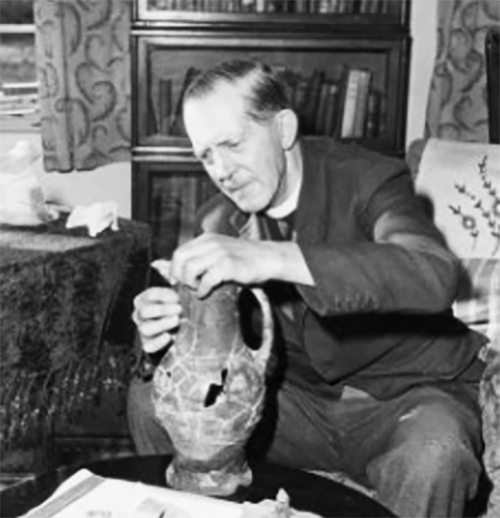
Knapp, Rev George E C
From 1944–1964 George Knapp was Vicar of East Worldham where his ashes are buried and he is commemorated in a memorial window. Coincidentally, it was the benefice held by the last surviving chantry priest of Selborne Priory during the mid-16th century.
-
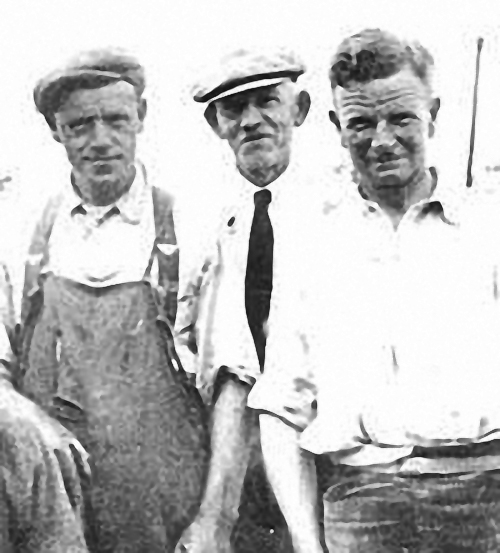
Knocker, Guy Mainwaring (Group Captain)
Guy Mainwaring Knocker was a very young Sopwith Camel pilot in the First World War, serving with No 65 Squadron Royal Flying Corps in France. He was wounded in action in April 1918 but served in the RAF until 1947.
-
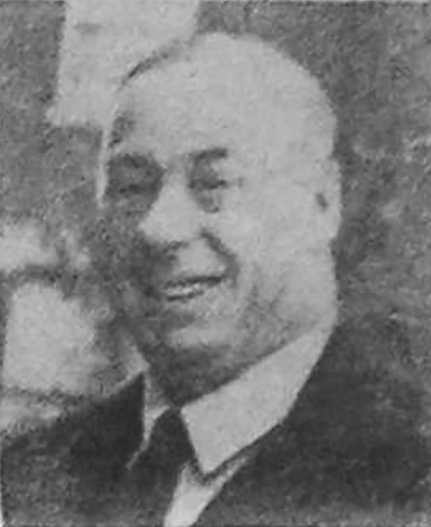
Knowles, Bernard Dawson
Knowles was born in Rotherham during the third quarter of 1890. The 1911 census records him as living with his parents and his occupation as ‘Clerk, Solicitor’s Office’. He was still based in Yorkshire when he got married in 1916. During the First World War he served in France and after being invalided out of…
-
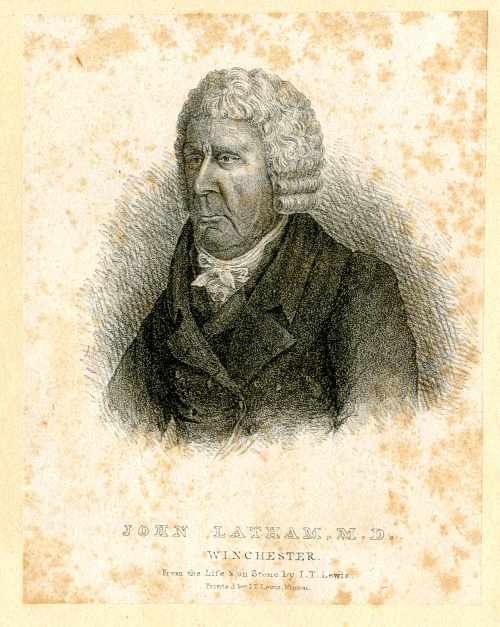
Latham, Dr John
John Latham was born in Eltham, Kent. He went to Merchant Taylors’ School, London then trained as a surgeon and set up in practice at Dartford, Kent. An internationally recognised ornithologist, for which he was awarded a doctorate in 1795 for his proposed classification of birds by the University of Erlangen in Germany, amongst other…
-
Le Couteur, John
Born in Jersey in 1883, educated at home, then worked in a bank. Illness left him unable to manage continuous professional work but he was interested in history and started to research stained glass from 1904. He also learnt to re-lead glass. He volunteered for service in WW1 but was declared unfit and worked instead…
-
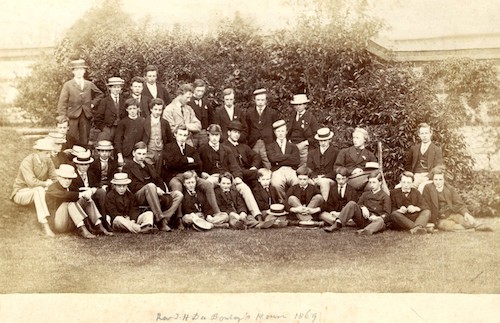
Leach, Arthur Francis
Leach was educated at Winchester College 1863-1869 and at New College, Oxford. He won the Stanhope English Prize in 1872 and was a fellow of All Souls College 1874-1882. He was called to the Bar at the Middle Temple in 1876 and joined the Western Circuit. From 1884, he was Assistant Charity Commissioner (Endowed Schools…
-
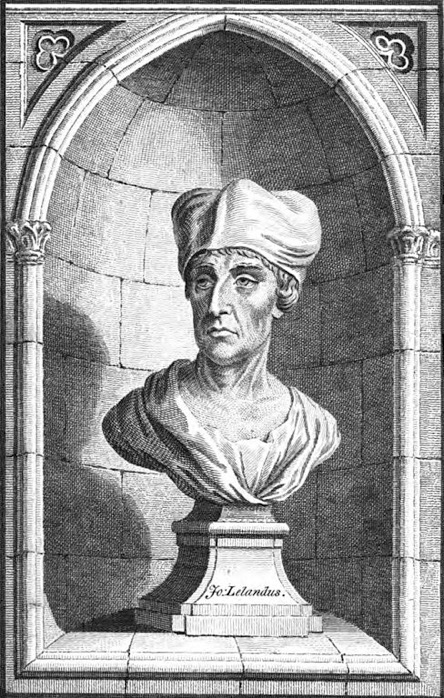
Leland, John
Leland has been called ‘the father of English local history and bibliography’. His Itineraries, compiled c 1538 to 1543 provided a crucial source of comment and raw material for many who followed after and introduced the county as the most obvious unit for studying the local history of England.
-
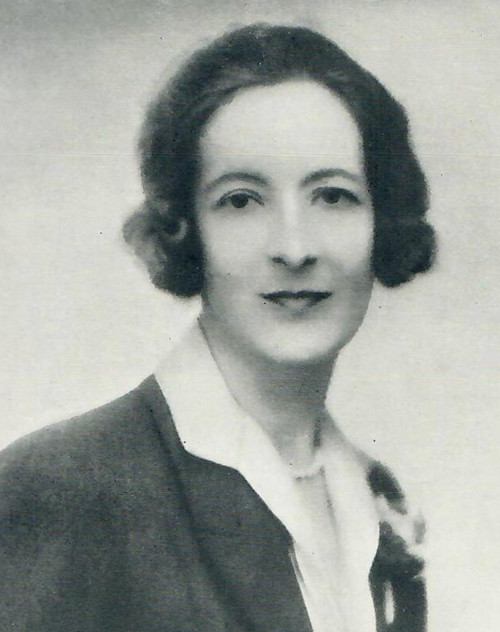
Liddell, Dorothy Mary
Dorothy Liddell was born at Benwell, Northumberland to John Liddell and his wife Emily (née Berry) one of their six children. In 1904 the family moved to Sydmonton Court near Newbury and four years later to Sherfield Manor near Basingstoke.
-
Lilley, Henry Thomas
Educated at Balliol College, Oxford, he became Senior Science Master at Portsmouth Grammar School. Remembered as ‘a good scholar with wide interests and a remarkable memory’ (Washington and Marsh 1976, 29) in the 1880s and 1890s he wrote books on chemistry and geometrical drawing for Army candidates. His interests also included Tudor Portsmouth, on which…
-
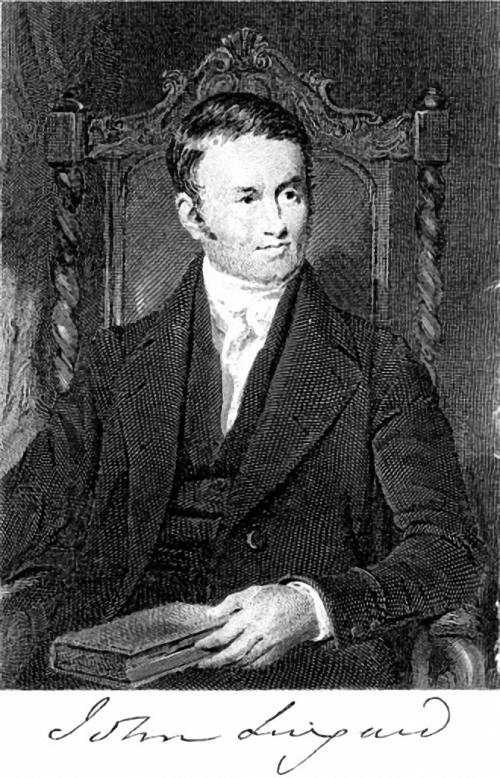
Lingard, John
He was a Catholic priest whose extremely successful 8-volume History of England, from the First Invasion by the Romans to the Accession of Henry VIII, which was published in 1819 and in later editions, is said to have been the most popular work in print until the publication in 1874 of Richard Green’s Short History…
-
Locke, Amy Audrey
Hampshire was the first county to complete, before the First World War, its Victoria County History, those large red volumes that are the first-look source for so many queries. They were orchestrated and edited by William Page, but the research and writing depended to a large extent on a cohort of young graduates – mainly…
-
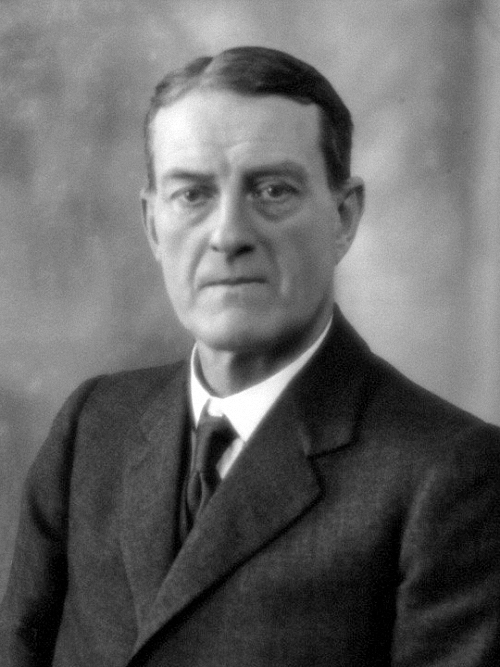
Luce, Sir Richard Harman, KCMG FSA
Surgeon, soldier, politician and historian, Richard Harmon Luce, born at Halcombe, Malmesbury, gained a first in Natural Sciences at Christ’s College, Cambridge and then qualified as a surgeon at Guys Hospital. In WW1 he served as Director of Medical Services of the Egyptian Expeditionary Force rising to rank of Major-General and was knighted in 1919. …
-
Macray, William Dunn
He was educated at Magdalen College and New College, Oxford, was ordained and became a Fellow of Magdalen. Between 1845 and 1905 he worked as a ‘special assistant’ in the manuscripts department of the Bodleian Library, and became known for writing its history or Annals, which was published in 1868 (2 ed. 1890). He was…
-
Madden, Sir Frederic
Sir Frederic Madden was born at Portsmouth and was keeper of manuscripts at the British Museum from 1837 to 1866. He was the supreme palaeographer of nineteenth-century England and a researcher and editor of extraordinary energy and quality. He tackled the most arduous and difficult projects and brought them to fulfilment.
-
Madge, Francis Thomas
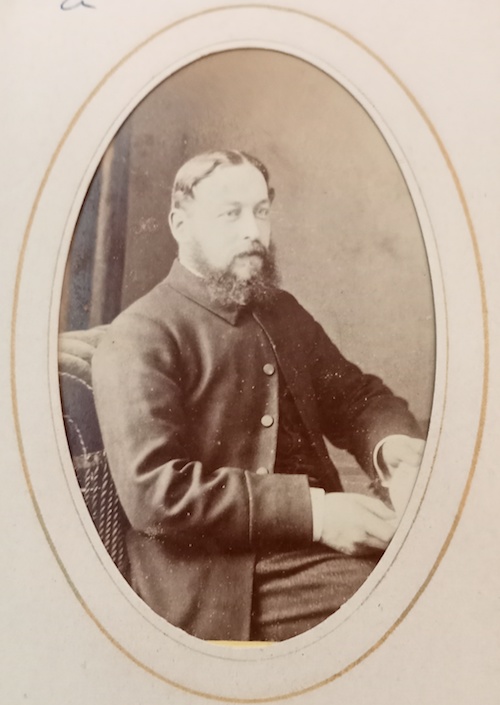
F.T. Madge, or Canon Madge, as he was usually known later in life, was in a line of Cathedral Librarians that recognized the historical importance of its holdings in the late 19th century. He was the son of Thomas Hellier Madge, rector of Kettering, Northants, whom he followed into the church, He was ordained priest…
-
Marsh, John
John Marsh was born in Adderbury, Oxfordshire, the son of George Marsh, a master carpenter, and his wife Catherine. It is unknown how or when he arrived in Hursley, Hampshire a distance of some 80 miles from his home. Nor do we know much about his education – he does not appear to have attended…
-
Merritt, Anna Massey (née Lea)
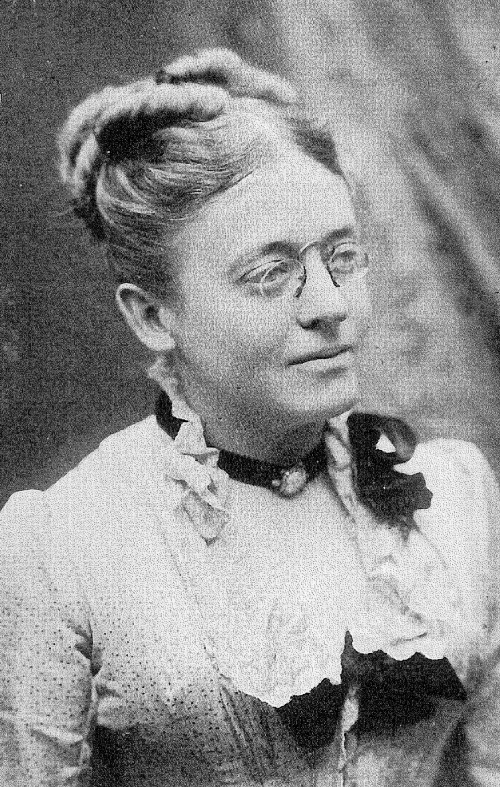
Anna Massey Lea was born in Philadelphia in 1844 to an affluent Quaker couple, Joseph Lea and Susanna Massey. She was the oldest of their six daughters. She took lessons in art from an early age and also studied anatomy at the Woman’s Medical College of Pennsylvania. From 1865, when the family moved to Europe,…
-
Merson, Allan
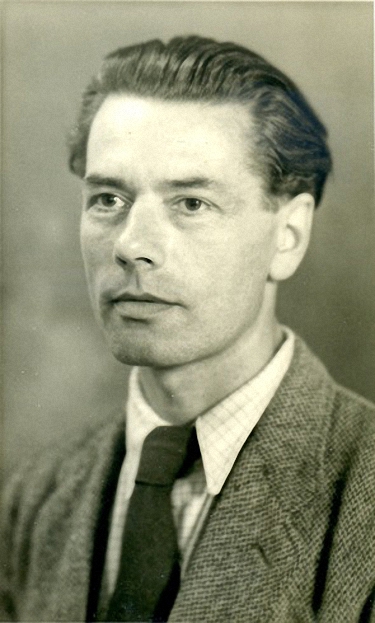
Born in Northumberland, Alan Merson’s initial intention was to become a Presbyterian minister. However, at Oxford in the 1930s he began a lifelong friendship with the celebrated Marxist historian, Christopher Hill, and this together with the Spanish Civil War led to him joining the Communist Party of Great Britain to which he belonged as an…
-
Millard, James Elwin
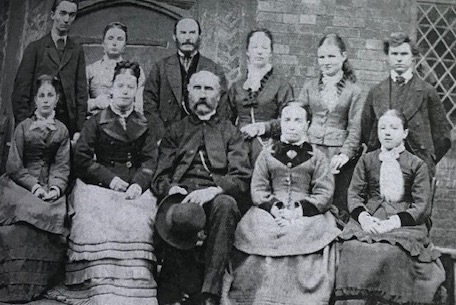
Born in Norwich, became chorister at Magdalen College 1834, taking a succession of degrees and posts, BA, MA, BD, DD. and Fellow 1853-65. He was ordained deacon in 1846 and priest in 1847. He served as Master of Magdalen School 1846-64 where he succeeded in raising its academic standards.
-
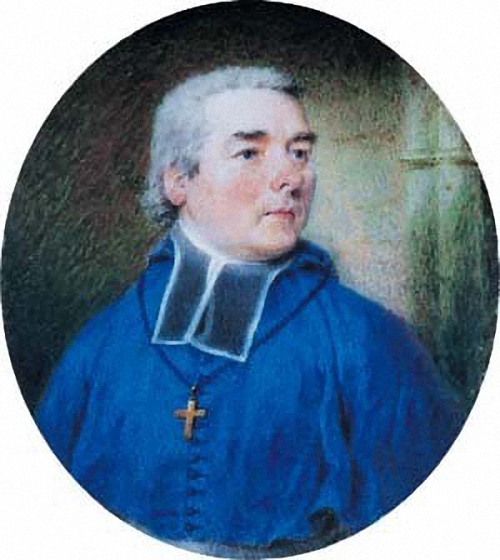
Milner, John
The relationship between John Milner and Winchester printer and ‘respectable bookseller’ James Robbins (1761-1844) is an early example of a ‘publisher and his author’. When Robbins asked him to write ‘a faithful account and description of Winchester’ he did so. It was a risky match, a Catholic priest and a young untried printer, but the…
-
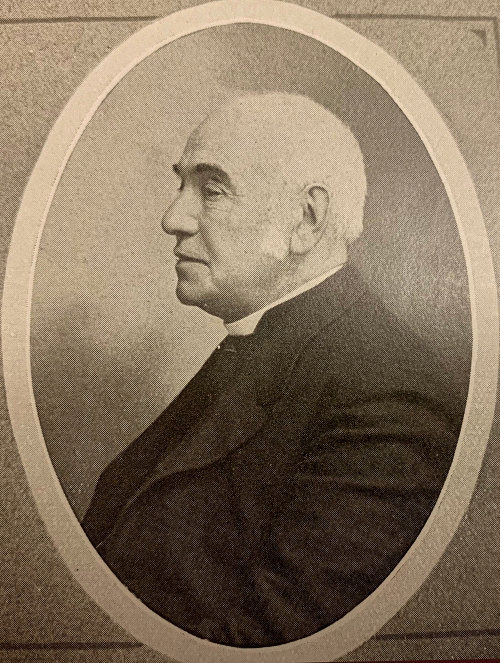
Minns, George William Walter
G W Minns was born in Norwich. The son of a builder, he inherited an interest in craftsmanship and construction, but after Cambridge (St Catherine’s) he attended Cuddesdon College and was ordained in 1860. He spent eight years in Norfolk and on the Continent and was an active member of the Norfolk and Norwich Archaeological…
-
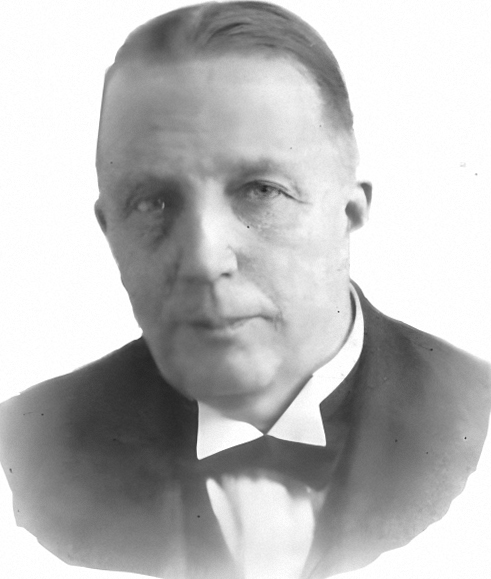
Mitchell, Edgar Austin
Born in Camberwell, at the time of the 1911 census Edgar Mitchell was a ‘boarder’ in Croydon and his occupation was that of ‘newspaper reporter’. He moved to Southampton in 1913 to take up a post with the Southern Daily Echo, initially as a sub-editor, theatre critic and leader writer. In due course, under the…
-
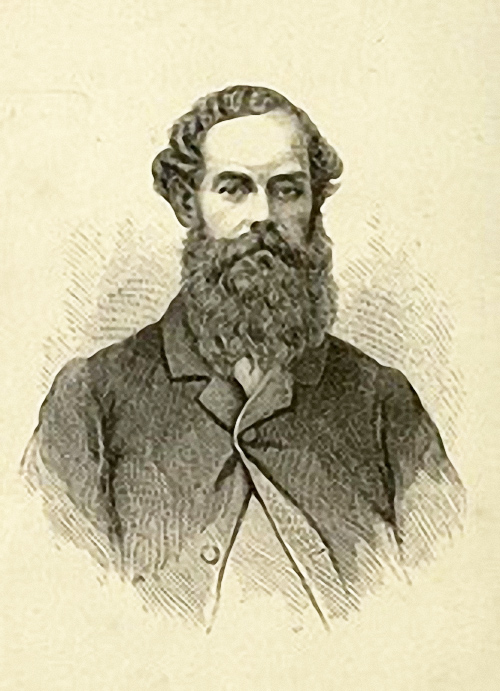
Möens, William John Charles
The son of a Dutch merchant who had settled in London, Möens went into the Stock Exchange at a young age, but soon ‘retired’ as a man of means to Boldre, attracted by the yachting at Lymington. He became an antiquarian with a special interest in Flemish genealogy and Huguenot history, but also involved himself…
-
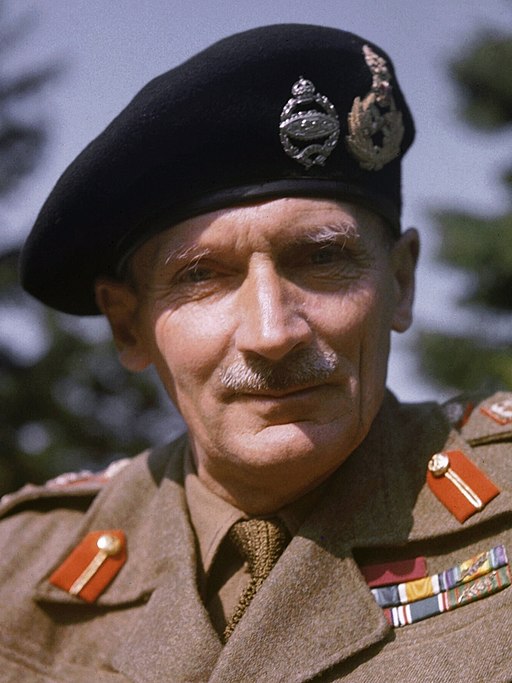
Montgomery, Bernard Law (Viscount Montgomery of Alamein)
One of the greatest British soldiers of the 20th century, Field Marshal Montgomery lived for nearly thirty years at Isington Mill, near Binsted. In the immediate post-war years, he restored what was a dilapidated shell into a luxury home surrounded by lawns and gardens and, following a state funeral, he was buried at the Church…
-
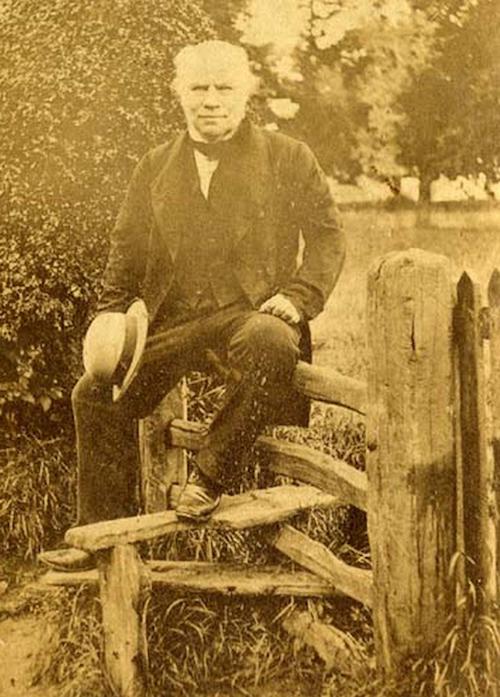
Moody, Henry (Harry)
He came from a family of Winchester brewers and as the eldest son had to the chance to enter the business, but did not take to it and handed the opening over to his brother William (who played a part in saving the city’s muniments by keeping them in a malthouse, HRO, 21M85W/10/1921). In an…
-
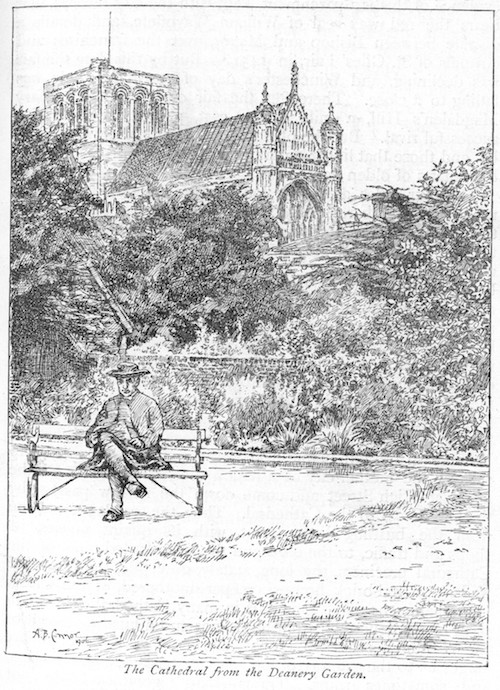
Moutray Read, Rose Hamilton (pseudonym ‘D H’)
Rose Hamilton Moutray Read was the eldest child of Edith and Lt Col John Moutray Read of the 4th Cheshire Regiment. Her brother, Anketell (b 1885) was killed in France in September 1915, while engaged in a rescue mission for which he was awarded the Victoria Cross. This was a strikingly parallel experience to Dorothy…
-
Mudie, Robert
Mudie was a Scot, born in Angus. He was largely self-taught. In sequence he was a weaver, soldier, teacher and then a journalist. He became a reporter for the Morning Chronicle and editor of the Sunday Times. In 1838 he moved to Winchester and was commissioned to write his Illustrated History of Hampshire. Altogether he…
-
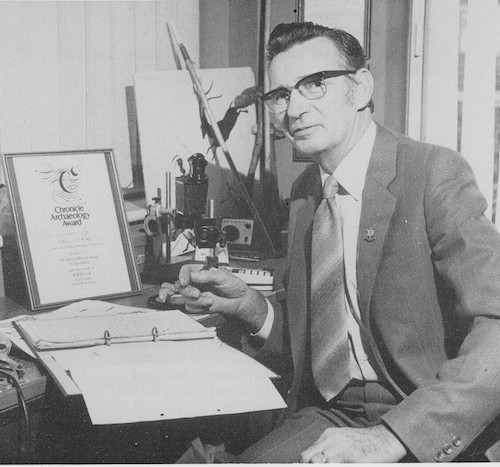
O’Malley, Michael
Michael O’Malley was born in Edinburgh to Patrick and Rachel O’Malley. During the Second World War he enlisted in 1944 and served as a sergeant in Burma. He was subsequently awarded the Burma Star. After the war he worked for the Ordnance Survey in the UK and was relocated to Perth, Western Australia from 1964-1968. …
-
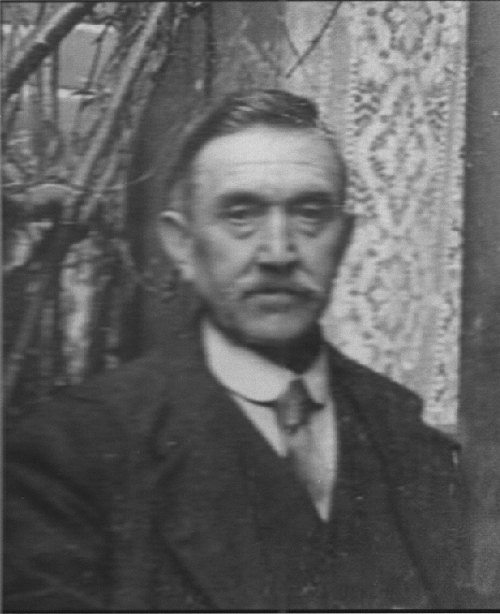
Oscroft, Alfred
Alfred Oscroft was a place-names authority and polymath. Born in Nottingham, he was awarded a scholarship to the recently founded Nottingham University College, but, instead, trained as a teacher at Saltley College. After a short spell as a teacher, he joined the Royal Engineers in 1891 where he rose to Company Sergeant Major (WOII). He…
-
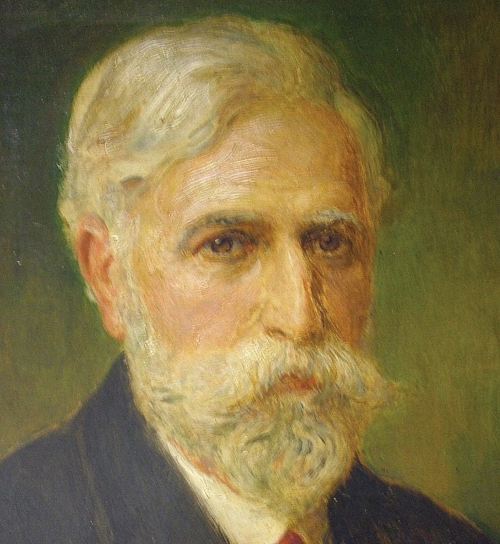
Page, William
William was the fifth of six children of merchant Henry Page and his wife Georgina. Born in Paddington, his education at private schools was cut short by the death of his father in 1875. Subsequently articled to an engineer, between c.1881 and 1884 he was employed in this capacity by the Government of Queensland in…
-
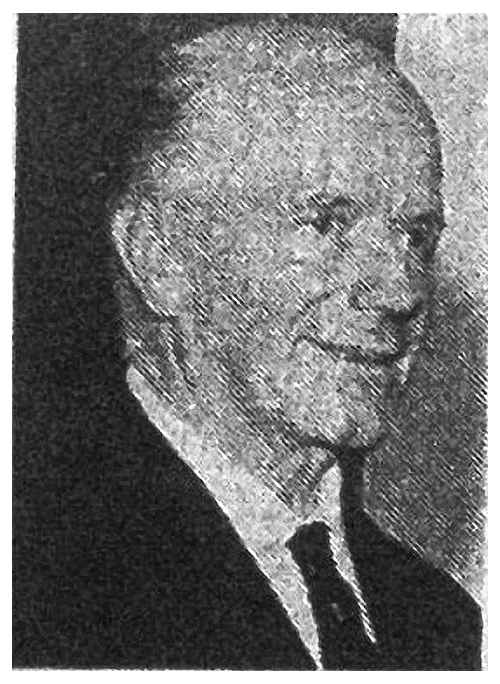
Pannell, John Percival Masterman
Pannell was born in Plymouth. His father was a ‘cycle agent and maker’, which may have stimulated his son’s interest in engineering. Pannell began his career in this sphere in 1920 with a firm in Slough and two year’s later joined the Great Western Railway’s Civil Engineering Department, gaining experience of the operation of docks…
-
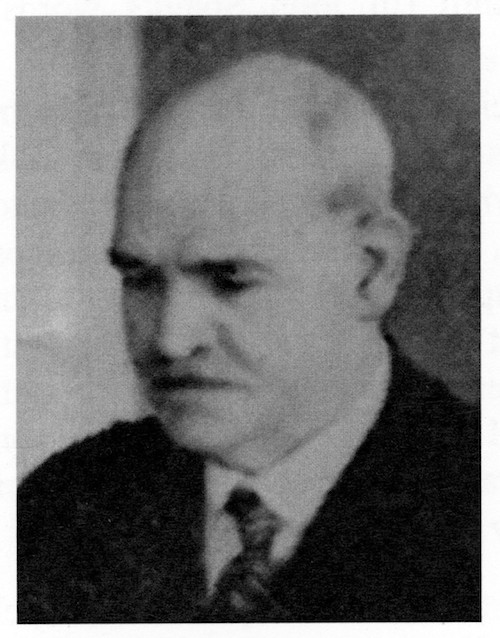
Parsons, Edmund
Edmund Parsons was, for many years, joint proprietor of Parsons & Hart, a Department Store which took up considerable space (Waterloo House) on the west side of Andover High Street. The business had been started by his grandfather, William Parsons, in 1842. William Parsons met with an untimely end in November 1858, when he was…
-
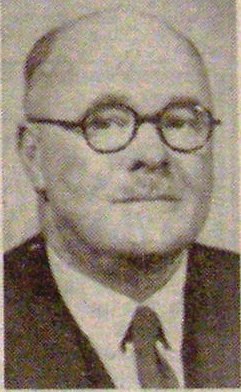
Patterson, Alfred Temple
27.11.1902-15.10.1983 A native of Northumberland, Patterson obtained a first-class honours degree in history from University of Durham in 1924, having studied for this at Armstrong College, Newcastle-upon-Tyne. Initially a schoolmaster and later on the staff of Portsmouth Municipal College, during the war years and the immediate post-War period he was head of History at University…
-
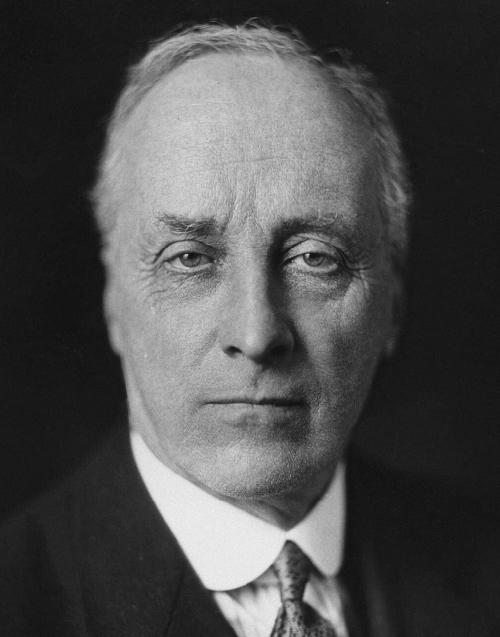
Peers, Charles Reed
Sir Charles Reed Peers CBE FBA FRIBA FSA was an architect and archaeologist who became England’s second Inspector of Ancient Monuments (after Lt-Gen Augustus Pitt Rivers) and the first Chief Inspector from 1913 to 1933.
-
Pelham, Reginald Arthur
Born in Kent, his father was a ‘miller’s clerk’ which probably explains one of Reginald’s subsequent academic interests, namely mills and milling. At the time of the 1911 census, aged 7, he was living with his parents in Dover. From 1915 to 1921 he attended Dover Grammar School for Boys, winning the geography prize in…
-
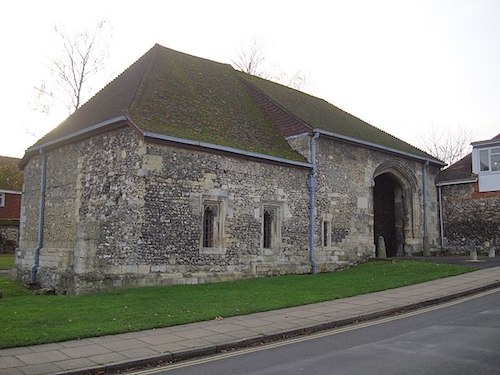
Pennell, Rosalie Frances
Born at Dawlish in Devon, Pennell lived in many other parts of country, including Winchester, and travelled widely. However, she appears to have retained an affinity with the county of her birth where her death was registered. At the time of the 1901 Census she was living with her parents and sister at Dalkeith, Hyde…
-
Pevsner, Nikolaus Bernhard Leon
Born in Leipzig to a Russian-Jewish family, the architectural historian Nikolaus Pevsner was educated at the universities of Leipzig, Munich, Berlin and Frankfurt. In 1933, he lost his lecturer’s post at Göttingen University due to the Nazis’ race laws and left Germany for England. In 1942, he became part-time lecturer (from 1959 professor) at Birkbeck…
-
Phillimore (formerly Stiff), William Phillimore Watts
This celebrated genealogist and publisher, who started life as a solicitor, is included because he was involved in early attempts to collect and publish the records of family history in Hampshire that are now more readily available online from FamilySearch, FindMyPast, Ancestry and the like. For example, between 1899 and 1912 he master-edited 14 volumes…
-
Pitt Rivers, Augustus Henry Lane-Fox, FRS, FSA, FRAI
Hampshire can lay claim, in a small way, to some of the archaeological work of General Pitt Rivers, the country’s first Inspector of Ancient Monuments. In the mid 1890s his investigation of sites on Cranborne Chase spilled over into the county and Martin Down and Bokerley Dyke are included in his impressively produced excavation volumes. …
-
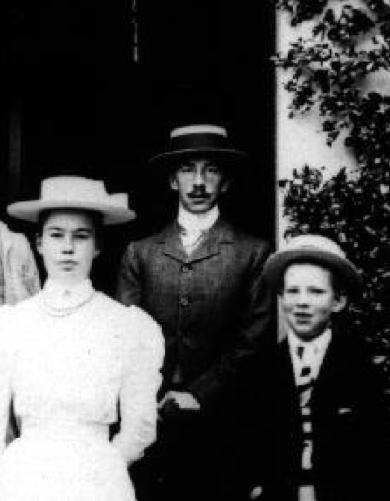
Pledge, Frederick William
Born in London, Pledge undertook his higher education at Oxford University studying classics, history and French during the second half of the 1890s. Around the turn of the twentieth century and while he was in Scotland, Pledge’s path crossed with that of (Otto) Ernest Philippi. The latter had been born in Germany acquiring British Citizenship…
-
Plunket Greene, Harry
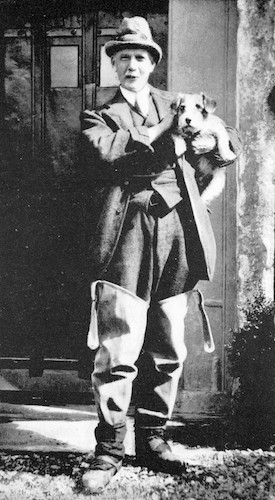
Plunket Greene was born in Dublin, son of Richard Jonas Greene, barrister, and his wife Louisa Lillias (neé Plunket) a writer of children’s stories. He was educated at Clifton College, Bristol and set aside a career in law on account of a severe rugby football injury. With his evident musicality, however, and the development of…
-
Poole, E H (Edward Humphrey) Lane
E H Lane Poole was from a distinguished Oxford family. His father, Professor Reginald Lane Poole (1857–1939) was a historian and Keeper of the Archives at Oxford University, while his brother Austin (1889–1963) was a medievalist, and President of St John’s College.
-
Porter, John
As Porter explains at the begining of one of his autobiographical publications ‘the Porter family had been settled in Rugeley, in Staffordshire, more than a hundred years’ before he was born there. Leaving school in 1852, his father, a tailor, was keen for John to enter the legal profession. However, his son had other ideas…
-
Prideaux-Brune, Rev. Edward Shapland
Prideaux-Brune was Rector of Rowner (Gosport) from 1884 to 1919. Both branches of his family had a long pedigree, the Prideauxs in Cornwall, where he was born, and the Brunes in Hampshire. The first Brunes appear in the 1270s, and the estate and advowson of Rowner continued in their hands through the following centuries.
-
Quirk, Roger Nathaniel
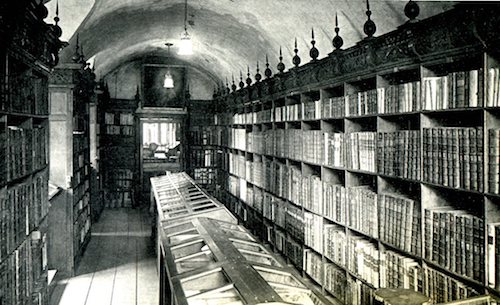
Roger Quirk was the son of Robert Quirk and his wife Stella (neé Sedgewick) and grandson of John Nathaniel Quirk (1849 – 1924) Bishop of Sheffield. He was educated at Winchester College, and Kings College, Cambridge where he obtained a 1st class Natural Science tripos, a BA in 1931, and an MA in 1935. In…
-
Rankine, William Francis
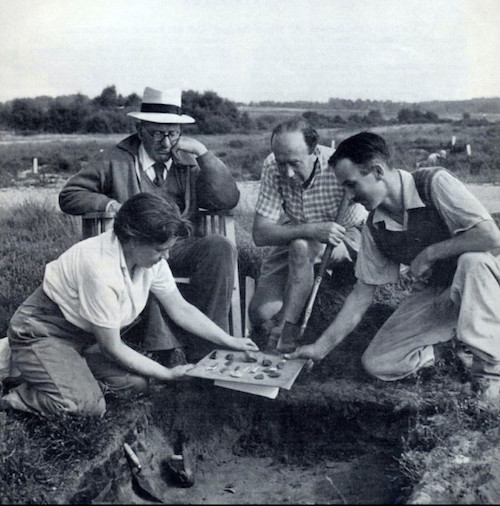
W F Rankine was a Scot who spent much of his time in Surrey. He was at school in Dorking, and taught for many years at Badshot Lea, near Farnham. His interests were wide, covering birds, wild plants, fossils and archaeological remains, and he had ‘the rare gift of instructing and enthusing others’ in these…
-
Ravenscroft, William
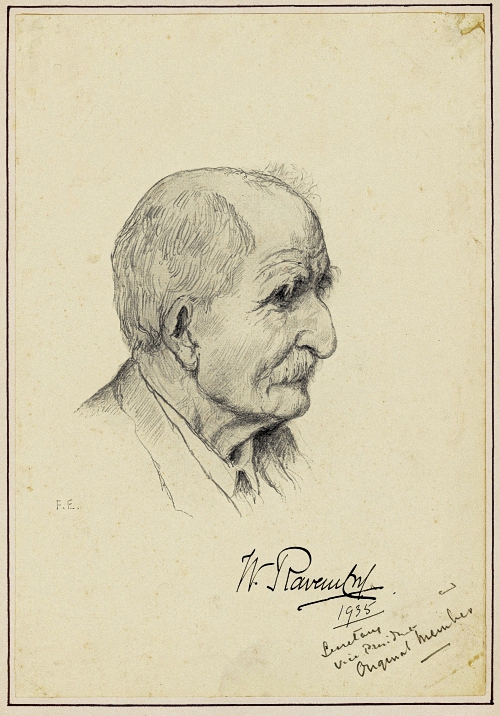
The transformation of the inland village of Milford to an up-market seaside resort (incorporating parts of Hordle parish) left an architectural heritage of houses designed by William Ravenscroft. Although many of these primarily Edwardian properties have now fallen victim to the bulldozer and developer, many still remain, including Ravenscroft’s own residence, Briantcroft, in Barnes Lane.
-
Richard of Devizes
A Benedictine monk of St Swithun’s Priory, Winchester, he is included as an example of one the medieval chroniclers whose works happen to have survived. His proper place is amongst those like Leland and Campden who recorded events and places of their age. He was writing at a time when Winchester was at the centre…
-
Roberts, Kenneth A B (Lt. Col)
Kenneth Roberts inherited a passionate interest in archaeology and local history from his father Betton. Together they would walk miles in search of earthworks and in visiting churches, and young Kenneth compiled four volumes of notes and sketches recording these encounters. His survey of the cross-dykes at Leydene secured his election to the Hampshire Field…
-
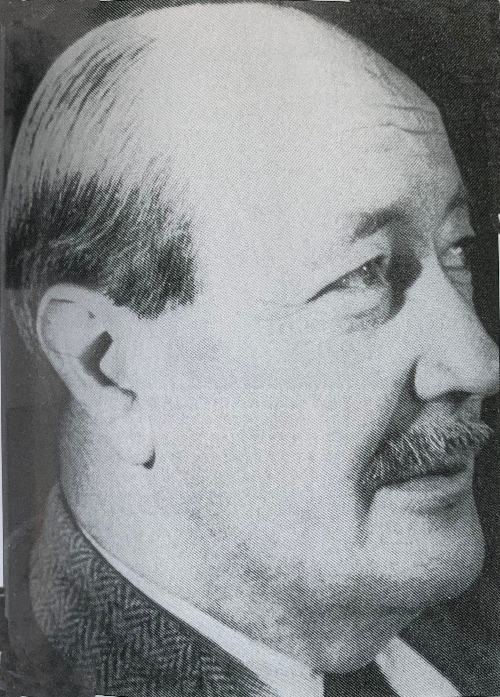
Rolt, Lionel Thomas Caswall (Tom)
Rolt was an engineer at heart but his complex character, as well as being instrumental in establishing the canal and railway preservation movements, also found joy in ‘the beauties of the English countryside’. He was aware of the rapid changes taking place in post-war Britain and the dangers inherent in the economic concept of unlimited…
-
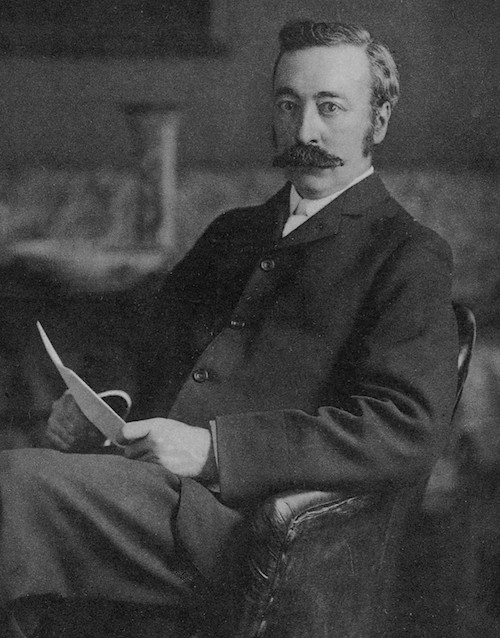
Round, (John) Horace
J Horace Round was one of the pre-eminent historians of his time, a genealogist so expert in the convolutions of the British peerage that he was appointed Honorary Historical Advisor to the Crown. Another specialism was Domesday Book, and his translation and discussion of the Essex entries was widely regarded as a tour de force of…
-
Rudborne, Thomas
He belonged to the Benedictine monastery of St Swithun’s, Winchester, living in what is regarded as the earliest period of historical writing, though ‘the beginnings of the true antiquarian scholarship at Winchester’ has been set in the late 17th century (John Crook, 2003). Scholars are certain that his works include two manuscripts generally called Historia…
-
Russell, Charles Frank (Rev)
The son of a clergyman, Charles was born in Fulham. It is not known where he undertook his primary and secondary education (to use modern terminology), but he secured a place at Cambridge to study mathematics, garduating with a first class degree in 1905. From 1906 to 1911 he was a fellow of Pembroke College…
-
Rutherford, James
Born in Dunston, near Gateshead, Rutherford was the son of a railway worker. He was educated in the Newcastle area and attended the University of Durham, from where he graduated with an MA in history. Postgraduate study was undertaken at the University of Michigan, with the subject of his PhD thesis being South Africa’s federal government in the late nineteenth century.
-
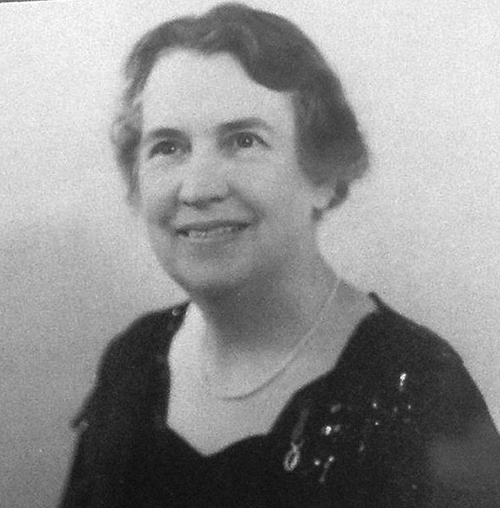
Sandell, Elsie Mary
The daughter of George Washington Sandell, head of a local shipping firm of Sandell & Son, Elsie was born in Southampton and spent much of her life in the town. At the time of the compilation of the 1939 Register, however, she was residing at a guest house in Axminster, Devon, with her father and…
-
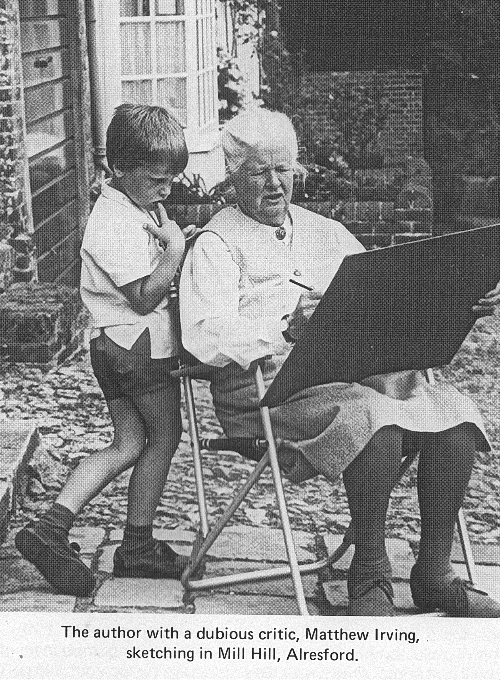
Sanderson, Isobel
1907 – 1987 Isabel Sanderson was born in 1907 to a Suffolk farming family. In 1914, the family with all the farm animals and gear were taken by train to Alresford station. Then a short journey took them to Abbotstone Farmhouse, part of the great Tudor mansion built by the Marquess of Winchester*. After Perin’s…
-
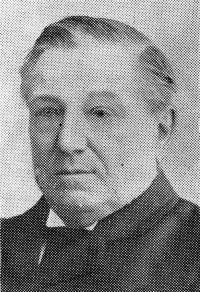
Saunders, William Henry
02.01.1832 – 21.04.1913 He was a druggist and chemist with a shop at 113 High Street in Old Portsmouth. After retirement he became curator of the Borough Museum, then in the Town Hall, next to the Dolphin Hotel. According to the journalist historian, William Gates, who acknowledged his influence, he was: ‘A man of genial…
-
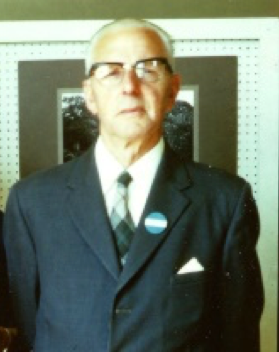
Sawyer, Kenneth Frederick
Ken Sawyer was born in Enfield, the eldest child of Albert Frederick and Ada Elizabeth Sawyer; his father worked in banking in the city. Sawyer’s life before Milford-on-Sea is rather a closed book, other than the 1939 Register which recorded him in Merton working in the gas industry and in Civil Defence. His wife, Margaret,…
-
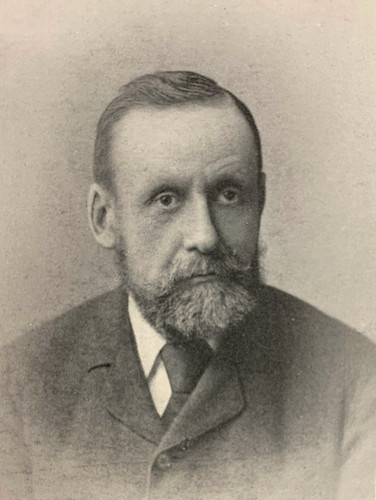
Shore, Thomas William
Thomas Shore is no stranger to the Hampshire Field Club, which he founded with two others in 1885. He was the son of an architect, born in Wantage, and at some time acquired a Department of Science and Art Certificate, described as a ‘lowly qualification’. Clearly a late developer, after working as a schoolmaster in…
-
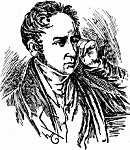
Slight, Henry and Julian
Henry: christening, 17 January 1796; 25 November 1860. Julian: christening, 6 January 1798; burial 2 January, 1886 Dr Henry Slight (from: https://historyinportsmouth.co.uk/people/early-historians.htm) These two brothers were both medical practitioners, Fellows of the Royal College of Surgeons of London, and were active in cultural life in Portsmouth. In 1818 they were amongst those who founded the…
-
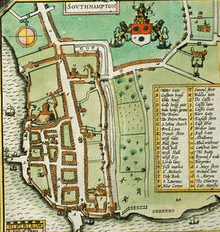
Speed, John (Dr)
This John Speed was the last of four generations of the Speed family that made their mark on Southampton in various ways. Like his father (1671-1741) and grandfather (1628-1711), both named John, Speed studied medicine at Oxford and practised as a doctor in Southampton.
-
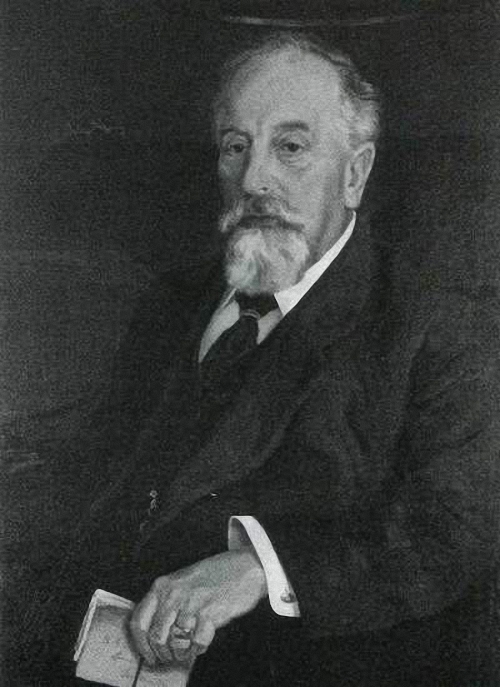
Spranger, William Francis Gummer
Born in Bridport, Spranger’s higher education was undertaken at Oxford. He spent some of his early life in Hursley where he came under the influence of John Keble. Moving to Southampton in the 1880s, he lived initially at Windsor House, Cumberland Place, but later he inherited his father-in-law’s estate at Springhill Court in Hill Lane.…
-
Stanley, Diana Margaret
Born in Paddington, Stanley attended Cheltenham Ladies’ College and subsequently studied at Regent Street Polytechnic and Byam Shaw School of Art.
-
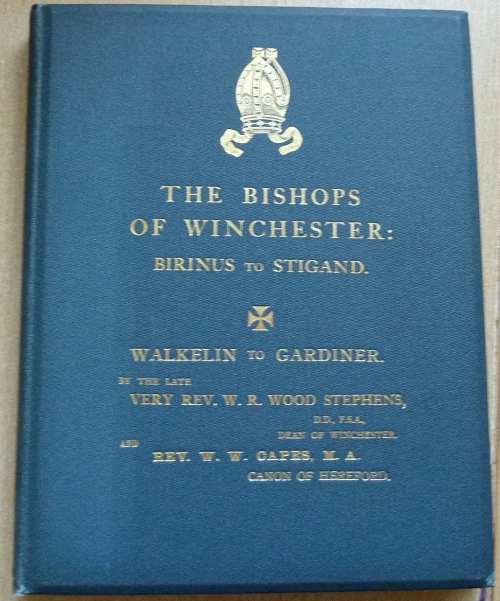
Stephens, Rev William Richard Wood
Born in Gloucestershire in 1839, William was youngest son of Charles Stephens, a banker. He was educated privately before proceeding to Balliol College, Oxford, where he graduated in 1862 with a first class in Literae humaniores. Ordained during the 1860s, in 1869 he married Charlotte Jane Hook.
-
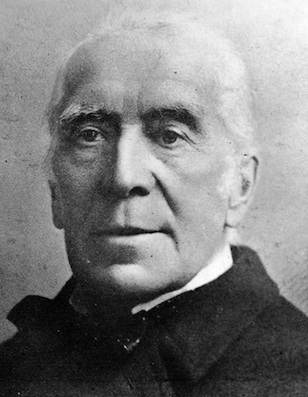
Stevens, Joseph
The son of a farmer from Stanmore, Berkshire, on leaving school he lacked the means to study medicine. He trained as a pharmacist and worked as a dispenser until 1841. A legacy then enabled him to enter Middlesex Hospital Medical School. Winning several prizes he qualified MRCS, LRCP and in 1845 was appointed Medical Officer…
-
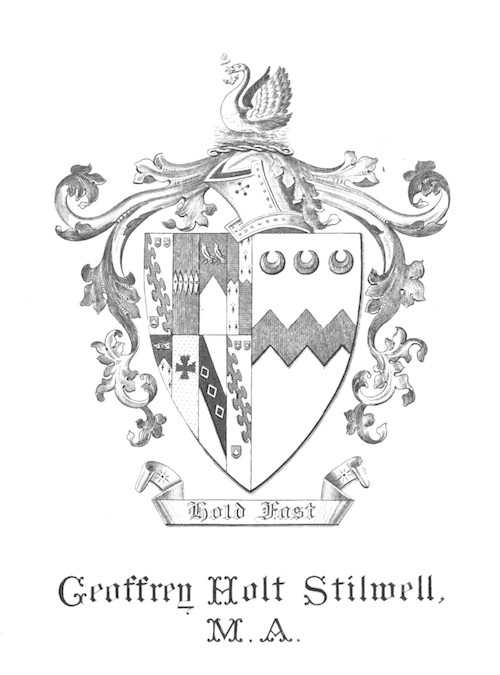
Stilwell, Geoffrey Holt
Geoffrey Stilwell, generally known as Holt, was one of seven children born to John Pakenham Stilwell and Georgina Stevens of Yateley, and the oldest of their three sons. The Stilwells were an old banking family, owners of the recognised Royal Navy bank (Stilwell & Sons of Great George Street, Westminster and later, 42 Pall Mall)…
-
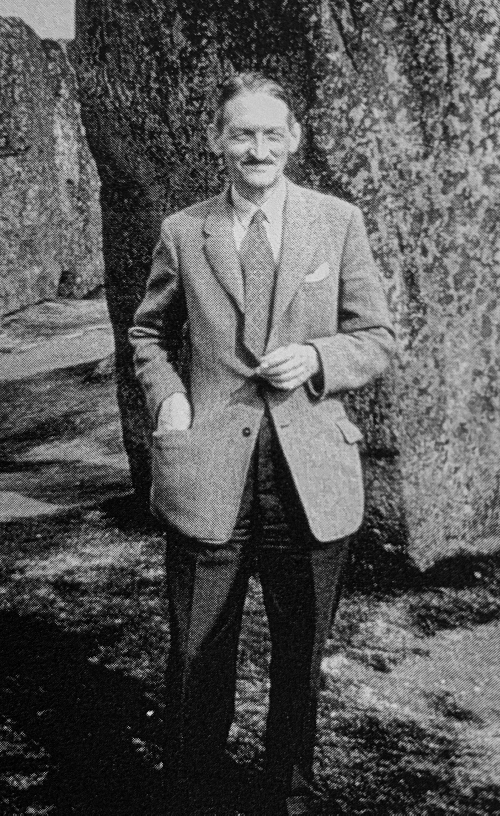
Stone, John Frederick Smerdon (‘Marcus’)
J F S ‘Marcus’ Stone worked at the Chemical Warfare Defence Experimental Station (Porton Down) from 1925 to 1957. His nickname derived from a well-known artist who illustrated many Dickens novels.
-
Stooks, Charles Drummond
He was one of the many clergymen who transcribed and published parish records in a movement promoted nationally by the genealogical editor and publisher, William P.W. Phillimore (1853-1913). The imprint has been owned, and mothballed, for more than 10 years by The History Press, but ‘with consent’ local history is still published by an independent…
-
Stopher, Thomas
Thomas Stopher was an architect and surveyor (for Winchester College, St John’s Hospital and others), a prominent municipal leader (Mayor of Winchester 1876, 1883, and 1893, Freeman of Winchester, 1910) and antiquarian. He published little, but indirectly did much to foster heritage and local history. Also, as one who often saw old buildings being developed…
-
Studer, Paul
Born in Biel, Switzerland, Studer’s higher education was undertaken at the Universities of Neuchâtel, Berlin and London. Between 1908 and 1913 he was Professor of French at Hartley College (later the University if Southampton). From 1913 until his death in 1927 he was the second holder of the chair of Romance Philology at the University…
-
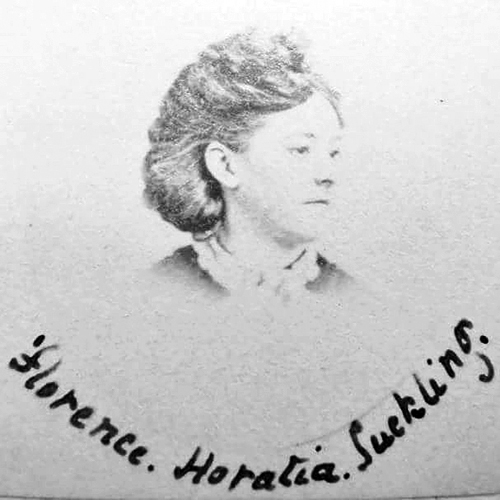
Suckling, Florence Horatia Nelson
Florence was the daughter of Vice-Admiral Suckling, a midshipman at the Battle of Trafalgar. In 1838 he bought property at Highwood from Lord Palmerston to build a house, the family home. He died when Florence was 15 years old. The Sucklings had family connections on the mother’s side with Admiral Nelson after whom Florence was…
-
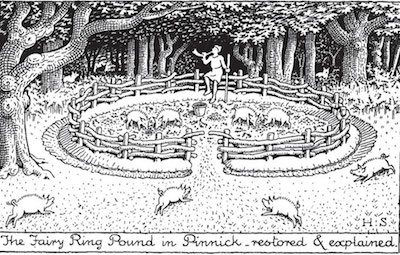
Sumner, George Heywood Maunoir
Heywood Sumner was born at Old Alresford where his father was Rector. He came from a prominent ecclesiastical family. A great uncle was Archbishop of Canterbury, his grandfather Bishop of Winchester and his father became Bishop of Guildford. His mother, Mary Heywood, became famous as the founder of the Mothers’ Union.
-
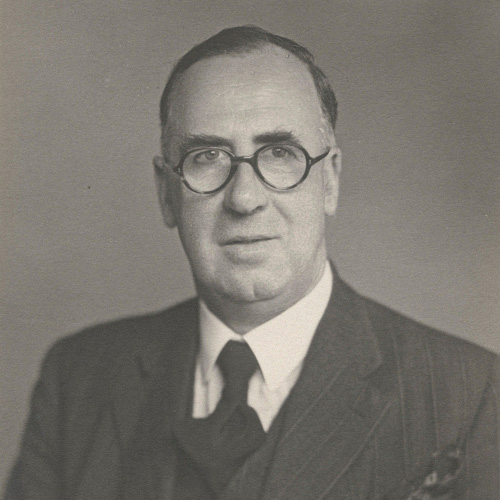
Sykes, Norman
The Very Reverend Norman Sykes was an academic historian and an Anglican priest He held a succession of distinguished academic posts concluding with being the Dixie Professor of Ecclesiastical History at the University of Cambridge from 1944 to 1958. His most important contribution was to bring an academic objectivity to the history of the Hanoverian…
-
Sykes, William Slater
Born in 1865, eldest son of Rev John Poulett Sykes, Perpetual Curate of Rathmell, near Settle, West Riding. William attended Giggleswick School, was an Exhibitioner at Christ’s College, Cambridge, graduating in 1886, and followed his father into the church, being ordained in 1889. William’s early appointments were in Yorkshire. In 1895 he was appointed curate…
-
Tavener, Laurence Ellis
According to the 1911 Census return, Laurence’s father, Alfred Edward, was a ‘match, starch and grocery buyer’. At the time the family were living in Forest Gate, Essex, where Laurence had been born seven years earlier.
-
Trussell, John
John Trussell was a poet, historian and city officer, who pioneered the history of Winchester and of local history in general. His major work, ‘The Touchstone of Tradition’, is unpublished and was lost until 1974, when it was acquired by HRO. Another of his works, ‘The Benefactors of Winchester’, lists city documents, mayors etc, and…
-
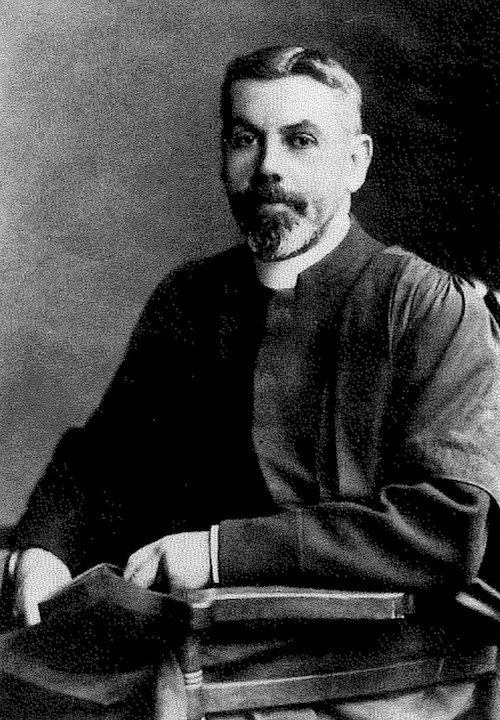
Varley, Telford
Telford Varley was, from 1897 to 1926, the first headmaster of Peter Symonds School, Winchester. During his tenure he wrote and contributed to two popular local histories – and was ordained as a priest (1908).
-
Vaughan, John
John was born in Brixton where his father, Matthew, had been ‘perpetual curate’ of St John’s Church since 1853. In 1864 the family moved to Finchingfield in Essex following the appointment of his father as vicar. John was educated at Felstead School and subsequently Corpus Christi College, Cambridge, from where he graduated in 1876. He…
-
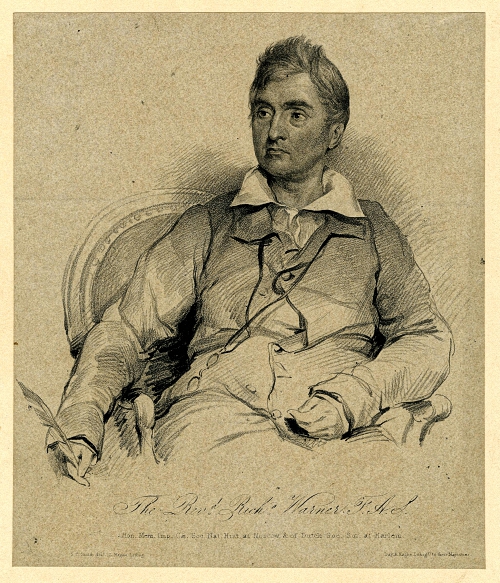
Warner, Richard
Like many early writers on local history, he was in the classic mould of clergyman-historian, though unlike many of them he also had journalistic instincts. In fact, he probably thought of himself as a man of letters who wrote about local subjects because that is what was around him. He is one of the few…
-
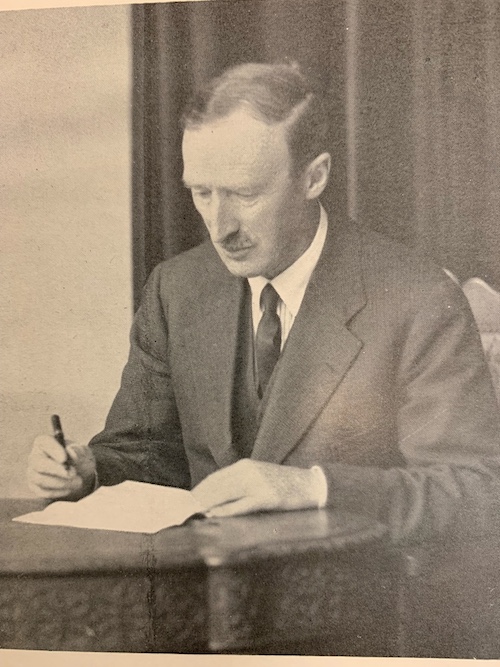
Warren, Frank
Frank Warren was the second son of William Thorn Warren, an established Winchester printer and newspaper proprietor. Educated at Westfields Preparatory School in the city, he won a scholarship to Sherborne. By 1896, however, he had joined the family business and was soon put in charge of the newspaper section, becoming editor of the Hampshire…
-
Warren, William Thorn
William Thorn Warren was born in Winchester, the second son of Nathaniel Warren and his wife Mary Ann. He was educated at Trafalgar House School and learned to become a practical printer in the business established by his father.
-
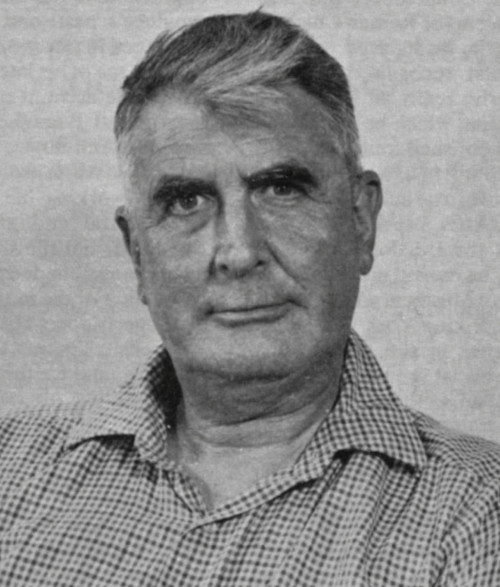
Waterman, Dudley Mark
Dudley Waterman was born in Southampton. On leaving school he worked in an architect’s office and became a skilled draftsman, taking part in numerous local excavations including Roman Clausentum and Saxon Hamwih.
-
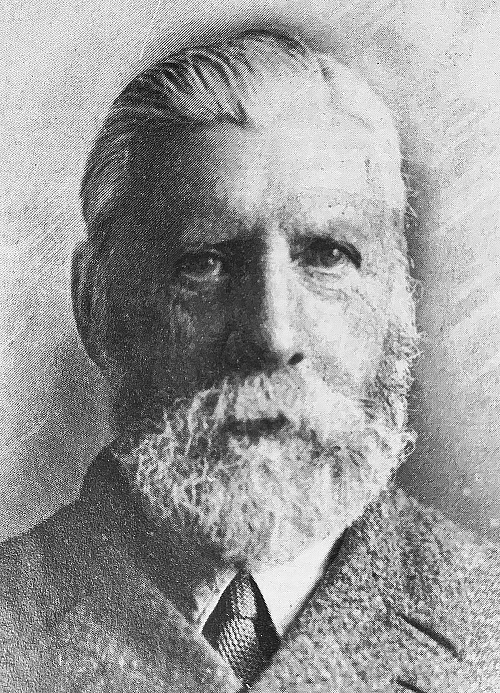
Westlake, Ernest
Ernest Westlake was one of the five ‘founding fathers’ of the Hampshire Field Club. His primary interests were geological, but an enquiring mind and the freedom to devote time to his pursuits enabled him to collect specimens on the grand scale and accumulate a wealth of data that spilled over into early human history.
-
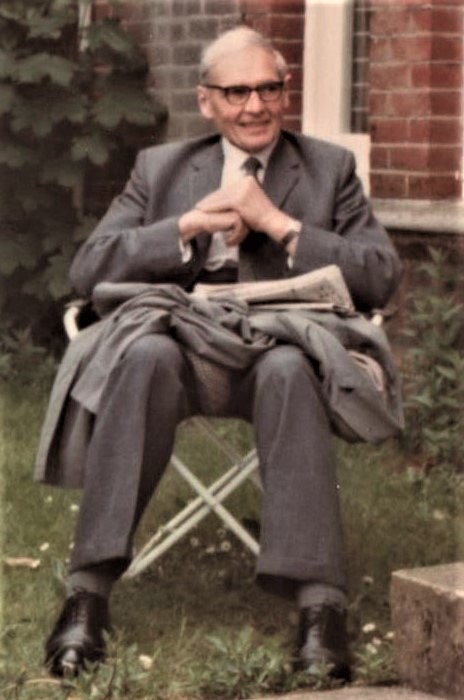
Whitaker, Austin Pratt
Austin Whitaker was born in Hull, grew up in Cheshire and was educated at Manchester Grammar School and Liverpool College, crossing the Mersey to school every day from his home in Birkenhead. In 1925 he went up to Magdalen College, Oxford, obtaining a degree good enough to land him a post as a lecturer in…
-
White, Gilbert
Although White the naturalist is well documented, there is little on White the historian. His entry in ODNB notes that in recording his local parish he sought ‘pleasing information’ and ‘cheerful employment’, with a requirement to ‘light upon ancient customs and manners … especially on those that were monastic’. However, of course, his real contribution…
-
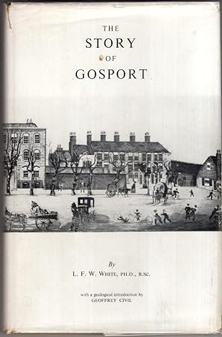
White, Leonard Frederick William
White was a Londoner, with his birth being registered in West Ham. Nothing has been discovered about his early years or details of his higher education. He was, however, well qualified securing a BSc (Econ) degree and a doctorate and was also a ‘barrister-at-law’. According to information on the dust jacket of the second edition…
-
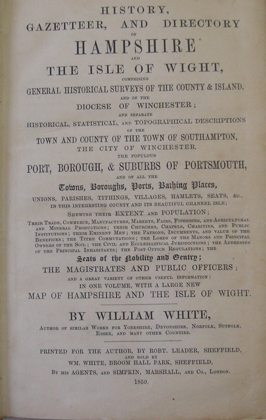
White, William
William was born and bred in Sheffield. Aged 18, ‘he joined the late Mr Edward Baines of Leeds in the preparation of county histories and directories’. After about four years Baines retired and White took over the business. He moved it to Sheffield, with White’s Directories being formally established in 1822. The next step was…
-
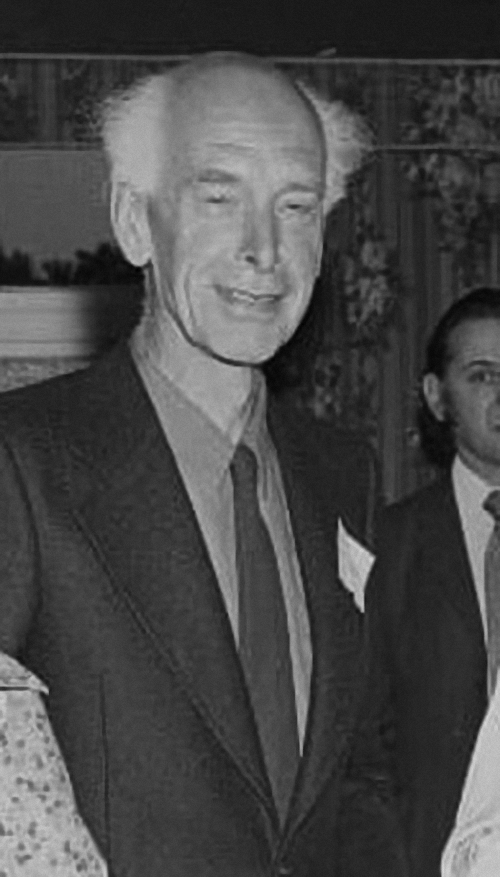
Whiteman, William Meredith
After a career in publishing and journalism in London, William Whiteman and his wife Mimo came to live in Northfield Cottage, Church Road, Steep, a thatched house on the corner of Church Road and Mill Lane. This was probably in the 1960s, as he and Mimo had married in 1965 in Petersfield. It was perhaps…
-
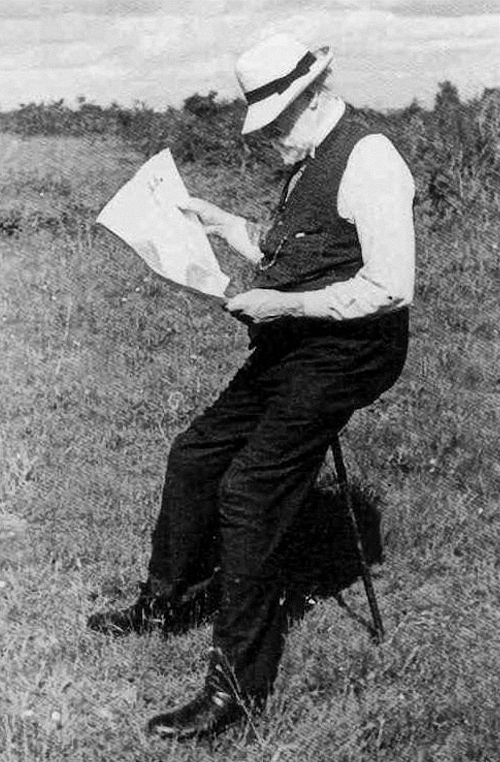
Williams-Freeman, John Peere
Williams-Freeman was born at Hamble Cliff, Southampton, the youngest of three sons. He attended Haileybury College and looked set to follow his eldest brother into the Army. At Woolwich, however, he changed direction and opted for the medical profession, graduating from Durham in 1885 and obtaining the Gold Medal in his MD exam three years…
-
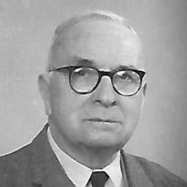
Willis, Arthur James
It is somewhat ironic that Willis was a leading genealogist, given that it proved quite a challenge to find reliable biographical information about him. This was mainly because he has a fairly common name and initially it was not clear if a quantity surveyor, who published a number of books on the subject, was the…
-
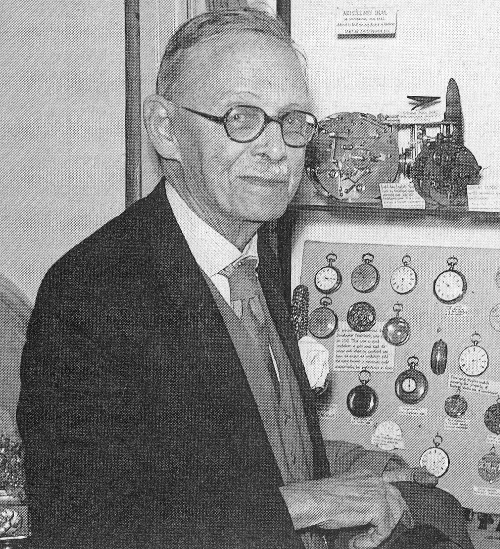
Willis, George William
George Willis was born in Henry Place, Basingstoke, to George Willis, watchmaker and jeweller and Sarah Hunt, the oldest of their four children. George Willis senior was soon established in premises in Wote Street in the centre of the town, and the family lived above the shop before moving to Cliddesden Road.
-
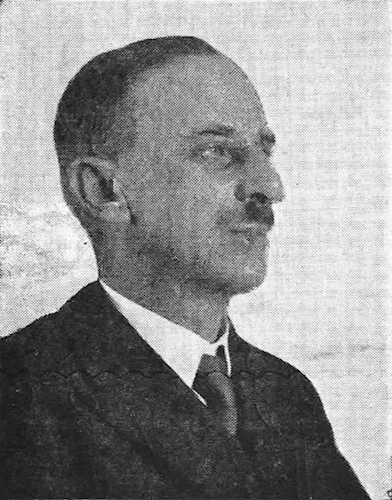
Winbolt, Samuel Edward
Samuel Winbolt was educated at Christ’s Hospital and read classics and history at Corpus Christi College, Oxford, obtaining a Masters in 1892. He then returned to his alma mater and spent his entire working life (until 1926) teaching at the school.
-
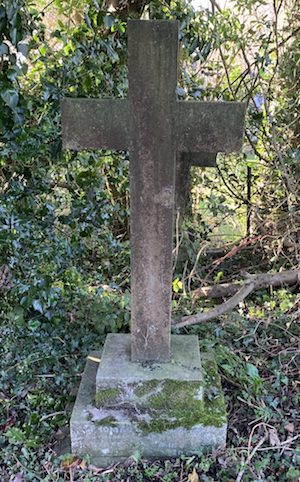
Woodhouse, Thomas Edward, Rev.
Thomas was born in Leominster, Herefordshire. He undertook his higher education at St John’s College, Oxford, graduating with a second class BA in 1853. Taking holy orders in 1854, there followed a succession of curacies at Ross (1854-56); Bishopstone, Herefordshire (1859-62); Millbrook, Southampton (1862-65); and Cusop, Herefordshire (1865-67). He then served as rector of Otterhampton…
-
Woodward, Bernard Bolingbroke
Born at Norwich, Woodward worked as a teacher and heraldic draftsman, before becoming a congregationalist, graduating BA, and being appointed congregational minister of Wortley Harleston (Norfolk) in 1843-8.
-
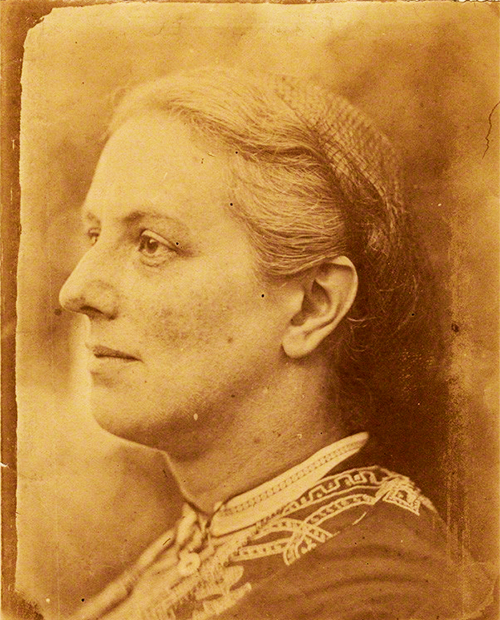
Yonge, Charlotte Mary
Born in Otterbourne, where she lived all her life, Charlotte M Yonge was a famous and successful authoress of the 19th century. Her best-selling work, which brought her world-wide fame and fortune, was The Heir of Redclyffe. But this was only one of well over a hundred books which she published in her lifetime as…