
1789 – 1841
The Rev. S.H. Cassan was born in India, where his father, also named Stephen (1758-1794), a barrister originally from Ireland, founded the Bengal Journal, a weekly newspaper, and practised in public administration. Cassan junior went up to Magdalen College Oxford, after which like so many of his kind he was ordained.
As curate at Frome, Somerset, in his late 20s, he entered a runaway marriage, regarded as scandalous, with Fanny, a daughter of the previous rector. He then took a curacy at Mere, Wiltshire, before in 1831 being appointed curate at Bruton with Wyke Champflower, Somerset, probably as a result of his shared antiquarian interests with the patron, the celebrated archaeologist of Stonehenge and other sites, Sir Richard Colt Hoare (1758-1838). Cassan was elected a Fellow of the Society of Antiquaries in 1829.
As a lowly churchman with a large family, Cassan was always short of money and turned his hand to writing. Between 1824 and 1830 he published books on, amongst other things, the lives of the bishops of Sherborne and Salisbury, of Winchester and of Bath and Wells. In 1839 he was declared insane and died two years later.
Sources
-
ODNB (1886 and 2004 editions)
Portrait
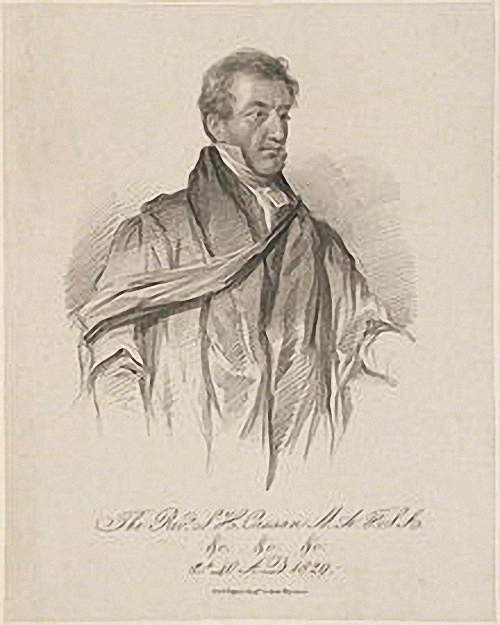
Stephen Hyde Cassan, 1829, a lithograph held by The National Portrait Gallery
Contribution to county’s history
He provided ready sources of information in the early nineteenth century on the bishops of Winchester and the clergy of the time (ca 1827).
Relevant published works
-
Cassan, SH, The Lives of the Bishops of Winchester from Birinus, 2 volumes, London, 1827 (held by HRO)
Critical Comments
According to the 1886 edition of the ODNB: ‘No set of his lives of the bishops is of any real value, the memoirs being almost wholly composed of extracts from well-known printed books. Such original remarks as they contain are extraordinarily childish and whimsical, and in many cases exhibit a degree of intolerance which was probably caused by the latent presence of mental disorder.’ The 2004 edition of the ODNB comments that his books were ‘laced with appendices on the condition of the clergy which remain of interest.’
Other Comments
Cassan was clearly not a great historian, but he was part of that early contingent of clergymen who started to put local history on the map, often because – like him – they need to write for money and/or because it was one of the few subjects that could be followed by an educated person holding a country living.
Contributor
Barry Shurlock, 25 July 2022
Keywords
Bishops of Winchester
Any queries or further suggestions for this part of the list should be addressed to celebrating@hantsfieldclub.org.uk.